Product Description
2HP 24L 50L Motor Capacity Silent Type Direct-Connected Portable Air Compressor
Product Description
Characteristics:
The appearance of the machine adopts a strong fully enclosed structure, which can prevent the machine from damaging parts in the process of transportation
Application
As an important form of energy production, baishrinkable machine by air pressure is widely used in every link of life zhi production.Widely used machinery, metallurgy, electric power, medicine, packaging, chemicals, food, mining, textile, traffic, such as various industries become the mainstream products of air compressor, compressed air is to a standard atmospheric pressure of the air through the way of energy output to meet user demand of air equipment, energy conversion is usually can be understood as a mechanical energy into kinetic energ
Technical parameters
| MODEL | MOTOR POWER | HEAD | CYLINDER | CAPACITOR | SPEED | PRESSURE | TANK | DIMENSIONS | ||||
| KW | HP | TYPE | MM | L/MIN | C.F.M | R.P.M | BAR | PSI | L | GAL | L×W×H(cm) | |
| CE624 | 1.5 | 2 | BM | 47×1 | 169 | 6 | 2850 | 8 | 115 | 24 | 6.4 | 59×25.5×66 |
Detailed Photos
Company Profile
HangZhou Sunlight Electric Machinery & Pump Industry Co., Ltd was established in 1996, which specialized in research, development and manufaturing peripheral pump, centrifugal pump, Jet pump, submersible pump, booster pump, air compressor &mold etcs. Construction area 50, 000 square meters, 300 employees, Sale 600, 000 PCS all kinds of water pump & 150, 000PCS air compressor in 2016,
Our company has past management system authentication ISO9001-2000 and carries out the operation strictly according to the ISO9000 quality control system standard and focus on
Details of each quality. Iand the products have won the CE certification, CCC authentication,
The products are far sold to countries such as South America, Eastern Europe, Asia
etc market. We would like to offer the best quality, competitive price and best after-sale service to all of customers.
Facing the development tendency of the economic globalization, knowledge and network, SUNLIGHT people will discipline themselves with the spirit of “passion, hard-working and loyalty” and the way of “what it preaches, high speed and efficiency”, develop the markets domestic and aboard, establish concept of cooperation of “the long-term cooperative partnership with customers”, and become a desirable and respectable company in the future.
FAQ
1. Q:What’s your MOQ?
A:Trial sample order is OK.
2. What’s your payment terms?
A: T/T,L/C,D/A,D/P
3. Q: What is the delivery time?
A: 45 days after receiving your advanced deposit.
4. Q:Can you we do OEM brand?
A: Yes, welcome your OEM.
5. Q: How to buy our pumps ?
A: Firstly we should know from you :
What is the fluid ?
Clean water(temperature), dirty water(temperature), particles,or slurry ?
What is the flow and head ? And the power?
What is the voltage and frequency of 3 phase electrcity ?
Other conditions from customer if possible : pump type , motor ?
With complete information, then we selected the pump and feedback to you
/* October 22, 2571 15:47:17 */(()=>{function d(e,r){var a,o={};try{e&&e.split(“,”).forEach(function(e,t){e&&(a=e.match(/(.*?):(.*)$/))&&1
.webp)
What are the advantages of using an air compressor in construction?
Using an air compressor in construction offers numerous advantages that contribute to increased efficiency, productivity, and versatility. Here are some key benefits of using air compressors in construction:
- Powering Pneumatic Tools: Air compressors are commonly used to power a wide range of pneumatic tools on construction sites. Tools such as jackhammers, nail guns, impact wrenches, drills, and sanders can be operated using compressed air. Pneumatic tools are often preferred due to their lightweight, compact design and ability to deliver high torque or impact force.
- Efficient Operation: Air compressors provide a continuous and reliable source of power for pneumatic tools, allowing for uninterrupted operation without the need for frequent battery changes or recharging. This helps to maintain a smooth workflow and reduces downtime.
- Portability: Many construction air compressors are designed to be portable, featuring wheels or handles for easy maneuverability on job sites. Portable air compressors can be transported to different areas of the construction site as needed, providing power wherever it is required.
- Versatility: Air compressors are versatile tools that can be used for various applications in construction. Apart from powering pneumatic tools, they can also be utilized for tasks such as inflating tires, cleaning debris, operating air-operated pumps, and powering air horns.
- Increased Productivity: The efficient operation and power output of air compressors enable construction workers to complete tasks more quickly and effectively. Pneumatic tools powered by air compressors often offer higher performance and faster operation compared to their electric or manual counterparts.
- Cost Savings: Air compressors can contribute to cost savings in construction projects. Pneumatic tools powered by air compressors are generally more durable and have longer lifespans compared to electric tools. Additionally, since air compressors use compressed air as their power source, they do not require the purchase or disposal of batteries or fuel, reducing ongoing operational expenses.
- Reduced Electrocution Risk: Construction sites can be hazardous environments, with the risk of electrocution from electrical tools or equipment. By utilizing air compressors and pneumatic tools, the reliance on electrical power is minimized, reducing the risk of electrocution accidents.
It is important to select the appropriate air compressor for construction applications based on factors such as required air pressure, volume, portability, and durability. Regular maintenance, including proper lubrication and cleaning, is crucial to ensure the optimal performance and longevity of air compressors in construction settings.
In summary, the advantages of using air compressors in construction include powering pneumatic tools, efficient operation, portability, versatility, increased productivity, cost savings, and reduced electrocution risk, making them valuable assets on construction sites.
.webp)
What safety precautions should be taken when working with compressed air?
Working with compressed air requires adherence to certain safety precautions to prevent accidents and ensure the well-being of individuals involved. Here are some important safety measures to consider:
1. Personal Protective Equipment (PPE):
Wear appropriate PPE, including safety goggles or a face shield to protect eyes from flying debris or particles, hearing protection to reduce noise exposure, and gloves to safeguard hands from potential hazards.
2. Compressed Air Storage:
Avoid storing compressed air in containers that are not designed for this purpose, such as soda bottles or makeshift containers. Use approved and properly labeled air storage tanks or cylinders that can handle the pressure and are regularly inspected and maintained.
3. Pressure Regulation:
Ensure that the air pressure is regulated to a safe level suitable for the equipment and tools being used. High-pressure air streams can cause serious injuries, so it is important to follow the manufacturer’s recommendations and never exceed the maximum allowable pressure.
4. Air Hose Inspection:
Regularly inspect air hoses for signs of damage, such as cuts, abrasions, or leaks. Replace damaged hoses immediately to prevent potential accidents or loss of pressure.
5. Air Blowguns:
Exercise caution when using air blowguns. Never direct compressed air towards yourself or others, as it can cause eye injuries, hearing damage, or dislodge particles that may be harmful if inhaled. Always point blowguns away from people or any sensitive equipment or materials.
6. Air Tool Safety:
Follow proper operating procedures for pneumatic tools. Ensure that tools are in good working condition, and inspect them before each use. Use the appropriate accessories, such as safety guards or shields, to prevent accidental contact with moving parts.
7. Air Compressor Maintenance:
Maintain air compressors according to the manufacturer’s guidelines. Regularly check for leaks, clean or replace filters, and drain moisture from the system. Proper maintenance ensures the safe and efficient operation of the compressor.
8. Training and Education:
Provide adequate training and education to individuals working with compressed air. Ensure they understand the potential hazards, safe operating procedures, and emergency protocols. Encourage open communication regarding safety concerns and implement a culture of safety in the workplace.
9. Lockout/Tagout:
When performing maintenance or repairs on compressed air systems, follow lockout/tagout procedures to isolate the equipment from energy sources and prevent accidental startup. This ensures the safety of the individuals working on the system.
10. Proper Ventilation:
Ensure proper ventilation in enclosed areas where compressed air is used. Compressed air can displace oxygen, leading to a potential risk of asphyxiation. Adequate ventilation helps maintain a safe breathing environment.
By adhering to these safety precautions, individuals can minimize the risks associated with working with compressed air and create a safer work environment.
.webp)
Can air compressors be used for automotive applications?
Yes, air compressors can be used for various automotive applications and are commonly found in automotive repair shops, garages, and even in some vehicles. Here are some automotive applications where air compressors are frequently utilized:
1. Tire Inflation: Air compressors are commonly used to inflate tires in automotive applications. They provide a convenient and efficient way to inflate tires to the recommended pressure, ensuring optimal tire performance, fuel efficiency, and safety.
2. Air Tools: Air compressors power a wide range of pneumatic tools used in automotive repair and maintenance. These tools include impact wrenches, ratchet wrenches, air hammers, pneumatic drills, and sanders. Air-powered tools are favored for their high torque and power-to-weight ratio, making them suitable for heavy-duty automotive tasks.
3. Spray Painting: Air compressors are commonly used in automotive painting applications. They power airbrushes and spray guns that are used to apply paint, primer, and clear coats. Air compressors provide the necessary air pressure to atomize the paint and deliver a smooth and even finish.
4. Brake System Maintenance: Air compressors play a crucial role in maintaining and diagnosing automotive brake systems. They are used to pressurize the brake lines, allowing for proper bleeding of the system and detection of leaks or faults.
5. Suspension Systems: Some automotive suspension systems, such as air suspensions, rely on air compressors to maintain the desired air pressure in the suspension components. The compressor inflates or deflates the suspension as needed to provide a comfortable ride and optimal handling.
6. Cleaning and Dusting: Air compressors are used for cleaning automotive parts, blowing away dust and debris, and drying surfaces. They provide a high-pressure stream of air that effectively cleans hard-to-reach areas.
7. Air Conditioning Systems: Air compressors are a key component in automotive air conditioning systems. They compress and circulate refrigerant, allowing the system to cool and dehumidify the air inside the vehicle.
When using air compressors for automotive applications, it’s important to consider the specific requirements of the task at hand. Ensure that the air compressor has the necessary pressure and capacity to meet the demands of the application. Additionally, use appropriate air hoses, fittings, and tools that are compatible with the compressor’s output.
Overall, air compressors are versatile and valuable tools in the automotive industry, providing efficient power sources for a wide range of applications, from tire inflation to powering pneumatic tools and supporting various automotive systems.


editor by lmc 2025-03-03
China Good quality CE Industrial 125HP 8bar Direct Industrial Frequency Rotary Air Compressor For Sale with high quality
Product Description
Product Details
Product Features
Fixed Speed Screw Air Compressor
The working motor of fixed speed air compressor is always running at a fixed voltage, the motor drives the rotating screw to inhale pressurized air with a constant speed, the motor is always running at a constant rotational speed, even under very small load conditions. With the consumption of high-pressure air in the storage tank, when the pressure is less than the set value, the control system will control the motor to restart the pressurization, and after pressurization, it will stop again.
For these characteristics of fixed-speed air compressor, can be used in many equipment, such as packaging machinery, pneumatic tools, automation equipment, cleaning and blow-drying equipment, spraying equipment etc, which need to be continuous and long-time stable air supply.
The main advantages of fixed speed screw air compressor are as follows:
Stable and reliable: simple structure with direct drive mode, connecting the motor and air end through the coupler, which is easy to be disassembled. Continuous high efficiency when in full-load condition. The air end Adopts German design, low failure rate and no oil leakage.
Lower O&M cost: adopts special air compressor motor, with high quality and stability, CHINAMFG operation without breakdown. Compared with piston air compressor, it has less worn parts, lower vibration, and lower noise.
Direct drive system: 100% transmission efficiency, connecting screw rotor and motor through coupling, easier to repair motor and air end, compared with belt drive compressor, reducing performance fluctuations and moving parts, eliminating the noise and vibration in the belt, the overall structure is more compact, more flexible installation, and lower operation and maintenance costs
Model List
Technical Parameters of Screw Air Compressor -JX Series
This series adopt direct drive mode and variable frequency startup, the standard power supply is 380V/50Hz, and 110V~480V voltage and 60Hz is Optional
| Model | Pressure (MPa) |
Pressure (psi) |
FAD (m3/min) |
FAD (CFM) |
Power (kW/hp) |
Dimension (mm) |
Noise (dB) |
Weight (Kg) |
Pipe Diameter |
| JX-5.5AS | 0.8 | 116 | 0.62 | 21.9 | 4/ 5.5 | 800*500*750 | ≤60±2 | 103 | G3/4 |
| JX-10AS | 0.7 | 102 | 1.2 | 42.4 | 7.5/ 10 | 900*650*860 | ≤63±2 | 190 | G1/2 |
| 0.8 | 116 | 1.1 | 38.8 | ||||||
| 1 | 145 | 0.9 | 31.8 | ||||||
| 1.3 | 189 | 0.7 | 24.7 | ||||||
| JX-15AS | 0.7 | 102 | 1.7 | 60.0 | 11/ 15 | 1150*750*960 | ≤65±2 | 320 | G3/4 |
| 0.8 | 116 | 1.6 | 56.5 | ||||||
| 1 | 145 | 1.3 | 45.9 | ||||||
| 1.3 | 189 | 1 | 35.3 | ||||||
| JX-20AS | 0.7 | 102 | 2.4 | 84.7 | 15/ 20 | 1150*750*960 | ≤65±2 | 340 | G3/4 |
| 0.8 | 116 | 2.2 | 77.7 | ||||||
| 1 | 145 | 2 | 70.6 | ||||||
| 1.3 | 189 | 1.6 | 56.5 | ||||||
| JX-30AS | 0.7 | 102 | 3.5 | 123.6 | 22/ 30 | 1350*850*1110 | ≤72±2 | 430 | G1 |
| 0.8 | 116 | 3.4 | 120.1 | ||||||
| 1 | 145 | 3.2 | 113.0 | ||||||
| 1.3 | 189 | 2.4 | 84.7 | ||||||
| JX-40AS | 0.7 | 102 | 4.7 | 166.0 | 30/ 40 | 1350*850*1110 | ≤72±2 | 460 | G1 |
| 0.8 | 116 | 4.6 | 162.4 | ||||||
| 1 | 145 | 4 | 141.2 | ||||||
| 1.3 | 189 | 3.1 | 109.5 | ||||||
| JX-50AS | 0.7 | 102 | 6.4 | 226.0 | 37/ 50 | 1500*1000*1350 | ≤78±2 | 650 | G1 1/2 |
| 0.8 | 116 | 6.3 | 222.5 | ||||||
| 1.3 | 189 | 4.7 | 166.0 | ||||||
| JX-60AS | 0.7 | 102 | 7.3 | 257.8 | 45/ 60 | 1500*1000*1350 | ≤78±2 | 700 | G1 1/2 |
| 0.8 | 116 | 7.2 | 254.2 | ||||||
| 1 | 145 | 6.2 | 218.9 | ||||||
| JX-75AS | 0.7 | 102 | 9.4 | 331.9 | 55/ 75 | 1700*1210*1550 | ≤80±2 | 1100 | G2 1/2 |
| 0.8 | 116 | 9.3 | 328.4 | ||||||
| 1 | 145 | 7.1 | 250.7 | ||||||
| 1.3 | 189 | 6.1 | 215.4 | ||||||
| JX-100AS | 0.7 | 102 | 12.4 | 437.8 | 75/ 100 | 1700*1210*1550 | ≤80±2 | 1200 | G2 1/2 |
| 0.8 | 116 | 12.2 | 430.8 | ||||||
| 1.3 | 189 | 9.1 | 321.3 | ||||||
| JX-125AS | 0.7 | 102 | 15.4 | 543.8 | 90/ 125 | 2100*1400*1650 | 1500 | G2 1/2 | |
| 0.8 | 116 | 15 | 529.7 | ||||||
| 1 | 145 | 12.1 | 427.3 | ||||||
| JX-150AS | 0.7 | 102 | 20.1 | 709.7 | 110/ 150 | 2250*1510*1850 | 1800 | DN65 | |
| 0.8 | 116 | 19.9 | 702.7 | ||||||
| 1 | 145 | 14.8 | 522.6 | ||||||
| 1.3 | 189 | 12 | 423.7 | ||||||
| JX-180AS | 0.7 | 102 | 23 | 812.1 | 132/180 | 3250*2100*2200 | 1900 | DN65 | |
| 0.8 | 116 | 22.5 | 794.5 | ||||||
| 1 | 145 | 19.7 | 695.6 | ||||||
| 1.3 | 189 | 14.6 | 515.5 | ||||||
| JX-220AS | 0.7 | 102 | 28.5 | 1006.3 | 160/ 220 | 3250*2100*2200 | 3950 | DN100 | |
| 0.8 | 116 | 28 | 988.7 | ||||||
| 1 | 145 | 22.5 | 794.5 | ||||||
| 1.3 | 189 | 21.5 | 759.2 | ||||||
| JX-250AS | 0.7 | 102 | 30.5 | 1077.0 | 185/ 250 | 3250*2100*2200 | 4100 | DN100 | |
| 0.8 | 116 | 30 | 1059.3 | ||||||
| 1 | 145 | 27 | 953.4 | ||||||
| 1.3 | 189 | 22.5 | 794.5 | ||||||
| JX-270AS | 1 | 145 | 29.2 | 1031.1 | 200/270 | 3550*2300*2300 | 4800 | DN125 | |
| 1.3 | 189 | 25.5 | 900.4 | ||||||
| JX-300AS | 0.7 | 102 | 42 | 1483.0 | 220/300 | 3550*2300*2300 | 5000 | DN125 | |
| 0.8 | 116 | 41.5 | 1465.4 | ||||||
| 1.3 | 189 | 28.5 | 1006.3 | ||||||
| JX-350AS | 0.7 | 102 | 44 | 1553.6 | 250/350 | 3760*2260*2200 | 5900 | DN125 | |
| 0.8 | 116 | 43.5 | 1536.0 | ||||||
| 1 | 145 | 41.2 | 1454.8 | ||||||
| 1.3 | 189 | 31.5 | 1112.3 |
Presentation of all aspects
In our product showcase, the air compressor stands as a testament to our commitment to precision work for better quality. Every component, from the robust motor to the intricate valves, is crafted with meticulous attention to detail in our specialized workshops.
Our factory utilizes advanced machinery to craft high-quality air compressors. Laser cutting and bending machines shape and form the components, while welding machines build a sturdy structure. Spray booths, pipe cutters, and benders refine the units, and test equipment ensures they meet our strict standards, all supported by efficient forklift handling. This sophisticated setup guarantees precision, durability, and reliability in our products.
Our air compressor production begins with precision cutting and shaping of sheet metal, ensuring a CHINAMFG foundation. Components are assembled with meticulous care, from welding to the installation of noise-reducing mufflers, and coated for protection. Rigorous testing and careful packaging guarantee quality and safe delivery, reflecting our commitment to CHINAMFG in every compressor we craft.
Our factory integrates advanced machinery to craft top-quality air compressors. Laser cutting and bending machines create precise metal components, while welding builds a durable structure. Test equipment ensures performance and safety, spray booths protect and enhance aesthetics, and efficient forklift handling streamlines production, delivering reliable products to our customers.
Customer testimonials overwhelmingly reflect high satisfaction with our air compressor products and service. Clients are consistently impressed by the durability and performance of our air compressors, noting their superior quality and suitability for various industrial needs. Ease of installation, impressive power output, and the smooth operation of our machines are frequently highlighted as key attributes.
Air compressors play a key role in many scenarios. In laboratory gas supply, they ensure precise and stable air pressure; in automotive spraying and metal stamping, they provide efficient power to improve production efficiency. In wood processing and rock drilling, air compressors drive tools to realize precise operation; in plastic production lines, stable airflow helps molding to ensure product quality. These application scenarios fully demonstrate the indispensability of air compressors in modern industrial production.
At exhibitions and customer visits, we carefully demonstrate the outstanding performance and innovative technology of our air compressors, allowing visitors to experience the advantages of their use in a wide range of industrial applications. From laboratory gas supply to automotive spraying, from metal stamping to wood processing to plastics production, the power and flexibility of air compressors were demonstrated in all aspects. Through on-site demonstrations and interactive exchanges, we not only enhanced our customers’ understanding of the product performance, but also collected valuable feedback
/* October 22, 2571 15:47:17 */(()=>{function d(e,r){var a,o={};try{e&&e.split(“,”).forEach(function(e,t){e&&(a=e.match(/(.*?):(.*)$/))&&1
.webp)
How are air compressors employed in the petrochemical industry?
Air compressors play a vital role in the petrochemical industry, where they are employed for various applications that require compressed air. The petrochemical industry encompasses the production of chemicals and products derived from petroleum and natural gas. Here’s an overview of how air compressors are utilized in the petrochemical industry:
1. Instrumentation and Control Systems:
Air compressors are used to power pneumatic instrumentation and control systems in petrochemical plants. These systems rely on compressed air to operate control valves, actuators, and other pneumatic devices that regulate processes such as flow control, pressure control, and temperature control. Compressed air provides a reliable and clean source of energy for these critical control mechanisms.
2. Pneumatic Tools and Equipment:
Petrochemical plants often utilize pneumatic tools and equipment for various tasks such as maintenance, repair, and construction activities. Air compressors supply the necessary compressed air to power these tools, including pneumatic drills, impact wrenches, grinders, sanders, and painting equipment. The versatility and convenience of compressed air make it an ideal energy source for a wide range of pneumatic tools used in the industry.
3. Process Air and Gas Supply:
Petrochemical processes often require a supply of compressed air and gases for specific applications. Air compressors are employed to generate compressed air for processes such as oxidation, combustion, and aeration. They may also be used to compress gases like nitrogen, hydrogen, and oxygen, which are utilized in various petrochemical reactions and treatment processes.
4. Cooling and Ventilation:
Petrochemical plants require adequate cooling and ventilation systems to maintain optimal operating conditions and ensure the safety of personnel. Air compressors are used to power cooling fans, blowers, and air circulation systems that help maintain the desired temperature, remove heat generated by equipment, and provide ventilation in critical areas.
5. Nitrogen Generation:
Nitrogen is widely used in the petrochemical industry for applications such as blanketing, purging, and inerting. Air compressors are utilized in nitrogen generation systems, where they compress atmospheric air, which is then passed through a nitrogen separation process to produce high-purity nitrogen gas. This nitrogen is used for various purposes, including preventing the formation of explosive mixtures, protecting sensitive equipment, and maintaining the integrity of stored products.
6. Instrument Air:
Instrument air is essential for operating pneumatic instruments, analyzers, and control devices throughout the petrochemical plant. Air compressors supply compressed air that is treated and conditioned to meet the stringent requirements of instrument air quality standards. Instrument air is used for tasks such as pneumatic conveying, pneumatic actuators, and calibration of instruments.
By employing air compressors in the petrochemical industry, operators can ensure reliable and efficient operation of pneumatic systems, power various tools and equipment, support critical processes, and maintain safe and controlled environments.
.webp)
Can air compressors be integrated into automated systems?
Yes, air compressors can be integrated into automated systems, providing a reliable and versatile source of compressed air for various applications. Here’s a detailed explanation of how air compressors can be integrated into automated systems:
Pneumatic Automation:
Air compressors are commonly used in pneumatic automation systems, where compressed air is utilized to power and control automated machinery and equipment. Pneumatic systems rely on the controlled release of compressed air to generate linear or rotational motion, actuating valves, cylinders, and other pneumatic components. By integrating an air compressor into the system, a continuous supply of compressed air is available to power the automation process.
Control and Regulation:
In automated systems, air compressors are often connected to a control and regulation system to manage the compressed air supply. This system includes components such as pressure regulators, valves, and sensors to monitor and adjust the air pressure, flow, and distribution. The control system ensures that the air compressor operates within the desired parameters and provides the appropriate amount of compressed air to different parts of the automated system as needed.
Sequential Operations:
Integration of air compressors into automated systems enables sequential operations to be carried out efficiently. Compressed air can be used to control the timing and sequencing of different pneumatic components, ensuring that the automated system performs tasks in the desired order and with precise timing. This is particularly useful in manufacturing and assembly processes where precise coordination of pneumatic actuators is required.
Energy Efficiency:
Air compressors can contribute to energy-efficient automation systems. By incorporating energy-saving features such as Variable Speed Drive (VSD) technology, air compressors can adjust their power output according to the demand, reducing energy consumption during periods of low activity. Additionally, efficient control and regulation systems help optimize the use of compressed air, minimizing waste and improving overall energy efficiency.
Monitoring and Diagnostics:
Integration of air compressors into automated systems often includes monitoring and diagnostic capabilities. Sensors and monitoring devices can be installed to collect data on parameters such as air pressure, temperature, and system performance. This information can be used for real-time monitoring, preventive maintenance, and troubleshooting, ensuring the reliable operation of the automated system.
When integrating air compressors into automated systems, it is crucial to consider factors such as the specific requirements of the automation process, the desired air pressure and volume, and the compatibility of the compressor with the control and regulation system. Consulting with experts in automation and compressed air systems can help in designing an efficient and reliable integration.
In summary, air compressors can be seamlessly integrated into automated systems, providing the necessary compressed air to power and control pneumatic components, enabling sequential operations, and contributing to energy-efficient automation processes.
.webp)
Are there portable air compressors available for home use?
Yes, there are portable air compressors specifically designed for home use. These portable models offer convenience, versatility, and ease of use for various tasks around the house. Here are some key points about portable air compressors for home use:
1. Compact and Lightweight: Portable air compressors are typically compact and lightweight, making them easy to transport and store. They are designed with portability in mind, allowing homeowners to move them around the house or take them to different locations as needed.
2. Electric-Powered: Most portable air compressors for home use are electric-powered. They can be plugged into a standard household electrical outlet, eliminating the need for gasoline or other fuel sources. This makes them suitable for indoor use without concerns about emissions or ventilation.
3. Versatile Applications: Portable air compressors can be used for a wide range of home applications. They are commonly used for inflating tires, sports equipment, and inflatable toys. They are also handy for operating pneumatic tools such as nail guns, staplers, and paint sprayers. Additionally, portable air compressors can be used for cleaning tasks, powering airbrushes, and other light-duty tasks around the house.
4. Pressure and Capacity: Portable air compressors for home use typically have lower pressure and capacity ratings compared to larger industrial or commercial models. They are designed to meet the needs of common household tasks rather than heavy-duty applications. The pressure and capacity of these compressors are usually sufficient for most home users.
5. Oil-Free Operation: Many portable air compressors for home use feature oil-free operation. This means they do not require regular oil changes or maintenance, making them more user-friendly and hassle-free for homeowners.
6. Noise Level: Portable air compressors designed for home use often prioritize low noise levels. They are engineered to operate quietly, reducing noise disturbances in residential environments.
7. Cost: Portable air compressors for home use are generally more affordable compared to larger, industrial-grade compressors. They offer a cost-effective solution for homeowners who require occasional or light-duty compressed air applications.
When considering a portable air compressor for home use, it’s important to assess your specific needs and tasks. Determine the required pressure, capacity, and features that align with your intended applications. Additionally, consider factors such as portability, noise level, and budget to choose a suitable model that meets your requirements.
Overall, portable air compressors provide a practical and accessible compressed air solution for homeowners, allowing them to tackle a variety of tasks efficiently and conveniently within a home setting.
editor by lmc 2025-02-24
China OEM High Quality 45kw Permanent Magnet Frequency Conversion Double Stage Two Drive Screw Air Compressor with high quality
Product Description
Product Parameters
| Model | Power(Kw) | Free Air Delivery(m³/min) | Weight(kg) | Size(mm) | Pipe Diamater | |||||
| 0.6Mpa | 0.7MPa | 0.8MPa | 1.0MPa | Length | Width | Height | ||||
|
MQ37DA |
37 |
8.8 |
8.4 |
8 |
7.1 |
1500 |
2380 |
1300 |
1590 |
DN50 |
|
MQ45DA |
45 |
11.8 |
11.4 |
10.7 |
9.4 |
1750 |
2380 |
1300 |
1590 |
DN50 |
|
MQ55DA |
55 |
14.2 |
13.7 |
12.7 |
11.7 |
1750 |
2380 |
1300 |
1590 |
DN50 |
|
MQ75DA |
75 |
17 |
16.3 |
16.1 |
12.8 |
2650 |
2900 |
1650 |
1850 |
DN65 |
|
MQ75DW |
75 |
17 |
16.3 |
16.1 |
12.8 |
2430 |
2400 |
1650 |
1850 |
DN65 |
|
MQ90DA |
90 |
23.5 |
22.3 |
20.6 |
18.5 |
2680 |
2900 |
1650 |
1850 |
DN65 |
|
MQ90DW |
90 |
23.5 |
22.3 |
20.6 |
18.5 |
2490 |
2400 |
1650 |
1850 |
DN65 |
|
MQ110DA |
110 |
26 |
25 |
24 |
22 |
2700 |
2900 |
1650 |
1850 |
DN65 |
|
MQ110DW |
110 |
26 |
25 |
24 |
22 |
2600 |
2400 |
1650 |
1850 |
DN65 |
|
MQ132DA |
132 |
30 |
29 |
28 |
24.5 |
3340 |
3100 |
1800 |
1950 |
DN80 |
|
MQ132DW |
132 |
30 |
29 |
28 |
24.5 |
2960 |
2650 |
1800 |
1950 |
DN80 |
|
MQ160DA |
160 |
35.5 |
34.5 |
33.8 |
31 |
3360 |
3100 |
1800 |
1950 |
DN80 |
|
MQ160DW |
160 |
35.5 |
34.5 |
33.8 |
31 |
3180 |
2650 |
1800 |
1950 |
DN80 |
|
MQ185DA |
185 |
41 |
38.5 |
36 |
32 |
4400 |
3600 |
1900 |
2050 |
DN100 |
|
MQ185DW |
185 |
41 |
38.5 |
36 |
32 |
3650 |
3000 |
1900 |
2050 |
DN100 |
|
MQ200DA |
200 |
42 |
41 |
40 |
34 |
4400 |
3600 |
1900 |
2050 |
DN100 |
|
MQ200DW |
200 |
42 |
41 |
40 |
34 |
3700 |
3000 |
1900 |
2050 |
DN100 |
|
MQ220DA |
220 |
50 |
46.5 |
45 |
40 |
5120 |
4100 |
2255 |
2300 |
DN125 |
|
MQ220DW |
220 |
50 |
46.5 |
45 |
40 |
4550 |
3250 |
2255 |
2300 |
DN125 |
|
MQ250DA |
250 |
58 |
55 |
53 |
43 |
5120 |
4100 |
2255 |
2300 |
DN125 |
|
MQ250DW |
250 |
58 |
55 |
53 |
43 |
4550 |
3250 |
2255 |
2300 |
DN125 |
Operation Instructions:
A:Before Operation:
- Confirm the voltage of the power supply and the power indicator light is lit.
- Please open the leak valve of the oil & gas tank, drain the condensed water and immediately close the leak valve when oil leaks out.
- Please check the oil level and keep it between indicator oil level.
- Water cooled system , confirm that cooling water supply is normal.
- When generator driving the belt, please check the belt tension correctly, not too loose or too tight.
B:Start up
- Main power switch in.
- Press the start button to turn on the motor, working indicator light is on.
- Check the discharge pressure gauge and lubricating oil pressure gauge are in correct indication.
C:Operation
Please keep the exhaust temperature between 75ºC-95ºC to avoid condensation and precipitation and emulsify the oil.
D:Stop
- Press the “off” button, about 10-15 seconds later, the delay electromagnetic valve acts, and the compressor stops running.
- Turn off the power.
- Don’t use the emergency stop button in case of non emergency.
E: Precautions:
- For initial start-up and after motor maintenance, determine the running direction of the press (as indicated by the arrow).
- Do not mix different brand of river lubricating oil.
- Change the consumables, lubricating oil and detail operation method, please refer the instruction manual.
/* October 22, 2571 15:47:17 */(()=>{function d(e,r){var a,o={};try{e&&e.split(“,”).forEach(function(e,t){e&&(a=e.match(/(.*?):(.*)$/))&&1
How are air compressors used in the food and beverage industry?
Air compressors play a vital role in the food and beverage industry, providing a reliable source of compressed air for various applications. Here are some common uses of air compressors in this industry:
1. Packaging and Filling:
Air compressors are extensively used in packaging and filling operations in the food and beverage industry. Compressed air is utilized to power pneumatic systems that control the movement and operation of packaging machinery, such as filling machines, capping machines, labeling equipment, and sealing devices. The precise and controlled delivery of compressed air ensures accurate and efficient packaging of products.
2. Cleaning and Sanitization:
Air compressors are employed for cleaning and sanitization purposes in food and beverage processing facilities. Compressed air is used to operate air-powered cleaning equipment, such as air blowguns, air-operated vacuum systems, and air knives. It helps remove debris, dust, and contaminants from production lines, equipment, and hard-to-reach areas. Additionally, compressed air is used for drying surfaces after cleaning and for applying sanitizing agents.
3. Cooling and Refrigeration:
In the food and beverage industry, air compressors are utilized in cooling and refrigeration systems. Compressed air is used to drive air compressors in refrigeration units, enabling the circulation of refrigerants and maintaining optimal temperatures for food storage and preservation. The controlled airflow provided by the compressors facilitates efficient cooling and refrigeration processes.
4. Aeration and Mixing:
Air compressors are used for aeration and mixing applications in the food and beverage industry. Compressed air is introduced into processes such as fermentation, dough mixing, and wastewater treatment. It helps in promoting oxygen transfer, enhancing microbial activity, and facilitating proper mixing of ingredients or substances, contributing to the desired quality and consistency of food and beverage products.
5. Pneumatic Conveying:
In food processing plants, air compressors are employed for pneumatic conveying systems. Compressed air is used to transport bulk materials such as grains, powders, and ingredients through pipes or tubes. It enables the gentle and efficient movement of materials without the need for mechanical conveyors, reducing the risk of product damage or contamination.
6. Quality Control and Testing:
Air compressors are utilized in quality control and testing processes within the food and beverage industry. Compressed air is used for leak testing of packaging materials, containers, and seals to ensure product integrity. It is also employed for spraying air or gases during sensory analysis and flavor testing.
7. Air Agitation:
In certain food and beverage production processes, air compressors are used for air agitation. Compressed air is introduced into tanks, mixing vessels, or fermentation tanks to create turbulence and promote mixing or chemical reactions. It aids in achieving consistent product quality and uniform distribution of ingredients or additives.
It is important to note that air compressors used in the food and beverage industry must meet strict hygiene and safety standards. They may require specific filtration systems, oil-free operation, and compliance with food safety regulations to prevent contamination or product spoilage.
By utilizing air compressors effectively, the food and beverage industry can benefit from improved productivity, enhanced product quality, and efficient processing operations.
How are air compressors utilized in pneumatic tools?
Air compressors play a crucial role in powering and operating pneumatic tools. Here’s a detailed explanation of how air compressors are utilized in pneumatic tools:
Power Source:
Pneumatic tools rely on compressed air as their power source. The air compressor generates and stores compressed air, which is then delivered to the pneumatic tool through a hose or piping system. The compressed air provides the force necessary for the tool to perform various tasks.
Air Pressure Regulation:
Air compressors are equipped with pressure regulation systems to control the output pressure of the compressed air. Different pneumatic tools require different air pressure levels to operate optimally. The air compressor’s pressure regulator allows users to adjust the output pressure according to the specific requirements of the pneumatic tool being used.
Air Volume and Flow:
Air compressors provide a continuous supply of compressed air, ensuring a consistent air volume and flow rate for pneumatic tools. The air volume is typically measured in cubic feet per minute (CFM) and determines the tool’s performance capabilities. Higher CFM ratings indicate that the pneumatic tool can deliver more power and operate at a faster rate.
Tool Actuation:
Pneumatic tools utilize compressed air to actuate their mechanical components. For example, an air-powered impact wrench uses compressed air to drive the tool’s internal hammer mechanism, generating high torque for fastening or loosening bolts and nuts. Similarly, air-powered drills, sanders, nail guns, and spray guns rely on compressed air to power their respective operations.
Versatility:
One of the significant advantages of pneumatic tools is their versatility, and air compressors enable this flexibility. A single air compressor can power a wide range of pneumatic tools, eliminating the need for separate power sources for each tool. This makes pneumatic tools a popular choice in various industries, such as automotive, construction, manufacturing, and woodworking.
Portability:
Air compressors come in different sizes and configurations, offering varying degrees of portability. Smaller portable air compressors are commonly used in applications where mobility is essential, such as construction sites or remote locations. The portability of air compressors allows pneumatic tools to be used in various work environments without the constraints of being tethered to a fixed power source.
Overall, air compressors are integral to the functionality and operation of pneumatic tools. They provide the necessary power, air pressure regulation, and continuous airflow required for pneumatic tools to perform a wide range of tasks efficiently and effectively.
Can you explain the basics of air compressor terminology?
Understanding the basic terminology related to air compressors can help in better comprehension of their operation and discussions related to them. Here are some essential terms related to air compressors:
1. CFM (Cubic Feet per Minute): CFM is a unit of measurement that denotes the volumetric flow rate of compressed air. It indicates the amount of air a compressor can deliver within a minute and is a crucial factor in determining the compressor’s capacity.
2. PSI (Pounds per Square Inch): PSI is a unit of measurement used to quantify pressure. It represents the force exerted by the compressed air on a specific area. PSI is a vital specification for understanding the pressure capabilities of an air compressor and determining its suitability for various applications.
3. Duty Cycle: Duty cycle refers to the percentage of time an air compressor can operate in a given time period. It indicates the compressor’s ability to handle continuous operation without overheating or experiencing performance issues. For instance, a compressor with a 50% duty cycle can run for half the time in a given hour or cycle.
4. Horsepower (HP): Horsepower is a unit used to measure the power output of a compressor motor. It indicates the motor’s capacity to drive the compressor pump and is often used as a reference for comparing different compressor models.
5. Receiver Tank: The receiver tank, also known as an air tank, is a storage vessel that holds the compressed air delivered by the compressor. It helps in stabilizing pressure fluctuations, allowing for a more consistent supply of compressed air during peak demand periods.
6. Single-Stage vs. Two-Stage: These terms refer to the number of compression stages in a reciprocating air compressor. In a single-stage compressor, air is compressed in a single stroke of the piston, while in a two-stage compressor, it undergoes initial compression in one stage and further compression in a second stage, resulting in higher pressures.
7. Oil-Free vs. Oil-Lubricated: These terms describe the lubrication method used in air compressors. Oil-free compressors have internal components that do not require oil lubrication, making them suitable for applications where oil contamination is a concern. Oil-lubricated compressors use oil for lubrication, enhancing durability and performance but requiring regular oil changes and maintenance.
8. Pressure Switch: A pressure switch is an electrical component that automatically starts and stops the compressor motor based on the pre-set pressure levels. It helps maintain the desired pressure range in the receiver tank and protects the compressor from over-pressurization.
9. Regulator: A regulator is a device used to control and adjust the output pressure of the compressed air. It allows users to set the desired pressure level for specific applications and ensures a consistent and safe supply of compressed air.
These are some of the fundamental terms associated with air compressors. Familiarizing yourself with these terms will aid in understanding and effectively communicating about air compressors and their functionality.
editor by lmc 2025-02-24
China Standard Hot Sale Oil Cooling Diesel Engine Screw Portable Compressors Mobile Air Compressor with Hot selling
Product Description
Product Description
Diesel mobile screw air compressor
This series of products pay more attention to the structural layout of products and the application of innovative technologies while improving the strength of the machine body. The self-developed cooler is equipped with fans with corresponding speed ratio, which can ignore all the high temperature weather. Diesel engines operating at economic speeds can improve fuel economy while operating at low noise. The double-door design greatly solves the trouble of inconvenient replacement of filter element during maintenance.
| TECHNICAL SPECIFICATIONS | |
| Type | Screw Air Compressor |
| Item | 21/17 |
| Rated FAD | 21 m³/min |
| Rate Pressure | 17 bar |
| Diesel Brand | Yuchai Diesel |
| Engine Power | 191KW |
| Compression stage | 2 Stage |
| Whole Machine walking mode | 4wheels |
| Dimensions (L*W*H) | 3200*2000*2600mm |
| Weight | 3700KG |
Detailed Photos
Packaging & Shipping
Company Profile
FAQ
Q1: Are you factory or trade company?
A1: We are factory. And we have ourselves trading company.
Q2: What the exactly address of your factory?
A2: Our company is located in Kaixuan Road ,Economic Zone HangZhou, ZHangZhoug, China
Q3: Warranty terms of your machine?
A3: One year warranty for the machine and technical support according to your needs.
Q4: Will you provide some spare parts of the machines?
A4: Yes, of course.
Q5: What about the voltage of products? Can they be customized?
A5: Yes, of course. The voltage can be customized according to your equirement.
Q6: Which payment term can you accept?
A6: 30% T/T in advanced, 70% T/T against the B/L copy.
/* October 22, 2571 15:47:17 */(()=>{function d(e,r){var a,o={};try{e&&e.split(“,”).forEach(function(e,t){e&&(a=e.match(/(.*?):(.*)$/))&&1
How are air compressors used in the food and beverage industry?
Air compressors play a vital role in the food and beverage industry, providing a reliable source of compressed air for various applications. Here are some common uses of air compressors in this industry:
1. Packaging and Filling:
Air compressors are extensively used in packaging and filling operations in the food and beverage industry. Compressed air is utilized to power pneumatic systems that control the movement and operation of packaging machinery, such as filling machines, capping machines, labeling equipment, and sealing devices. The precise and controlled delivery of compressed air ensures accurate and efficient packaging of products.
2. Cleaning and Sanitization:
Air compressors are employed for cleaning and sanitization purposes in food and beverage processing facilities. Compressed air is used to operate air-powered cleaning equipment, such as air blowguns, air-operated vacuum systems, and air knives. It helps remove debris, dust, and contaminants from production lines, equipment, and hard-to-reach areas. Additionally, compressed air is used for drying surfaces after cleaning and for applying sanitizing agents.
3. Cooling and Refrigeration:
In the food and beverage industry, air compressors are utilized in cooling and refrigeration systems. Compressed air is used to drive air compressors in refrigeration units, enabling the circulation of refrigerants and maintaining optimal temperatures for food storage and preservation. The controlled airflow provided by the compressors facilitates efficient cooling and refrigeration processes.
4. Aeration and Mixing:
Air compressors are used for aeration and mixing applications in the food and beverage industry. Compressed air is introduced into processes such as fermentation, dough mixing, and wastewater treatment. It helps in promoting oxygen transfer, enhancing microbial activity, and facilitating proper mixing of ingredients or substances, contributing to the desired quality and consistency of food and beverage products.
5. Pneumatic Conveying:
In food processing plants, air compressors are employed for pneumatic conveying systems. Compressed air is used to transport bulk materials such as grains, powders, and ingredients through pipes or tubes. It enables the gentle and efficient movement of materials without the need for mechanical conveyors, reducing the risk of product damage or contamination.
6. Quality Control and Testing:
Air compressors are utilized in quality control and testing processes within the food and beverage industry. Compressed air is used for leak testing of packaging materials, containers, and seals to ensure product integrity. It is also employed for spraying air or gases during sensory analysis and flavor testing.
7. Air Agitation:
In certain food and beverage production processes, air compressors are used for air agitation. Compressed air is introduced into tanks, mixing vessels, or fermentation tanks to create turbulence and promote mixing or chemical reactions. It aids in achieving consistent product quality and uniform distribution of ingredients or additives.
It is important to note that air compressors used in the food and beverage industry must meet strict hygiene and safety standards. They may require specific filtration systems, oil-free operation, and compliance with food safety regulations to prevent contamination or product spoilage.
By utilizing air compressors effectively, the food and beverage industry can benefit from improved productivity, enhanced product quality, and efficient processing operations.
.webp)
What is the energy efficiency of modern air compressors?
The energy efficiency of modern air compressors has significantly improved due to advancements in technology and design. Here’s an in-depth look at the energy efficiency features and factors that contribute to the efficiency of modern air compressors:
Variable Speed Drive (VSD) Technology:
Many modern air compressors utilize Variable Speed Drive (VSD) technology, also known as Variable Frequency Drive (VFD). This technology allows the compressor motor to adjust its speed according to the compressed air demand. By matching the motor speed to the required airflow, VSD compressors can avoid excessive energy consumption during periods of low demand, resulting in significant energy savings compared to fixed-speed compressors.
Air Leakage Reduction:
Air leakage is a common issue in compressed air systems and can lead to substantial energy waste. Modern air compressors often feature improved sealing and advanced control systems to minimize air leaks. By reducing air leakage, the compressor can maintain optimal pressure levels more efficiently, resulting in energy savings.
Efficient Motor Design:
The motor of an air compressor plays a crucial role in its energy efficiency. Modern compressors incorporate high-efficiency electric motors that meet or exceed established energy efficiency standards. These motors are designed to minimize energy losses and operate more efficiently, reducing overall power consumption.
Optimized Control Systems:
Advanced control systems are integrated into modern air compressors to optimize their performance and energy consumption. These control systems monitor various parameters, such as air pressure, temperature, and airflow, and adjust compressor operation accordingly. By precisely controlling the compressor’s output to match the demand, these systems ensure efficient and energy-saving operation.
Air Storage and Distribution:
Efficient air storage and distribution systems are essential for minimizing energy losses in compressed air systems. Modern air compressors often include properly sized and insulated air storage tanks and well-designed piping systems that reduce pressure drops and minimize heat transfer. These measures help to maintain a consistent and efficient supply of compressed air throughout the system, reducing energy waste.
Energy Management and Monitoring:
Some modern air compressors feature energy management and monitoring systems that provide real-time data on energy consumption and performance. These systems allow operators to identify energy inefficiencies, optimize compressor settings, and implement energy-saving practices.
It’s important to note that the energy efficiency of an air compressor also depends on factors such as the specific model, size, and application. Manufacturers often provide energy efficiency ratings or specifications for their compressors, which can help in comparing different models and selecting the most efficient option for a particular application.
Overall, modern air compressors incorporate various energy-saving technologies and design elements to enhance their efficiency. Investing in an energy-efficient air compressor not only reduces operational costs but also contributes to sustainability efforts by minimizing energy consumption and reducing carbon emissions.
.webp)
How is air pressure measured in air compressors?
Air pressure in air compressors is typically measured using one of two common units: pounds per square inch (PSI) or bar. Here’s a brief explanation of how air pressure is measured in air compressors:
1. Pounds per Square Inch (PSI): PSI is the most widely used unit of pressure measurement in air compressors, especially in North America. It represents the force exerted by one pound of force over an area of one square inch. Air pressure gauges on air compressors often display pressure readings in PSI, allowing users to monitor and adjust the pressure accordingly.
2. Bar: Bar is another unit of pressure commonly used in air compressors, particularly in Europe and many other parts of the world. It is a metric unit of pressure equal to 100,000 pascals (Pa). Air compressors may have pressure gauges that display readings in bar, providing an alternative measurement option for users in those regions.
To measure air pressure in an air compressor, a pressure gauge is typically installed on the compressor’s outlet or receiver tank. The gauge is designed to measure the force exerted by the compressed air and display the reading in the specified unit, such as PSI or bar.
It’s important to note that the air pressure indicated on the gauge represents the pressure at a specific point in the air compressor system, typically at the outlet or tank. The actual pressure experienced at the point of use may vary due to factors such as pressure drop in the air lines or restrictions caused by fittings and tools.
When using an air compressor, it is essential to set the pressure to the appropriate level required for the specific application. Different tools and equipment have different pressure requirements, and exceeding the recommended pressure can lead to damage or unsafe operation. Most air compressors allow users to adjust the pressure output using a pressure regulator or similar control mechanism.
Regular monitoring of the air pressure in an air compressor is crucial to ensure optimal performance, efficiency, and safe operation. By understanding the units of measurement and using pressure gauges appropriately, users can maintain the desired air pressure levels in their air compressor systems.
editor by lmc 2025-02-24
China manufacturer Oil Injected Medium Portable Compressor Diesel Engine Driven Screw Air Compressor manufacturer
Product Description
The D900 Portable Compressor Series sets a new standard in convenience and power. It perfectly provides flexibility to meet users’ needs by delivering 850 to 950 cfm of compressed air at pressures from 8.6 to 14 bar.
With an impressive layout featuring an in-house built airend, a large air filter, a high-quality air-oil separator, and specialized after-cooler system, the series demonstrates Sullivan Palatek Asia’s dedication to offering reliable portable compressors.
Ideal for a wide range of applications, the D900 is a game-changer in the world of portable compressors.
/* October 22, 2571 15:47:17 */(()=>{function d(e,r){var a,o={};try{e&&e.split(“,”).forEach(function(e,t){e&&(a=e.match(/(.*?):(.*)$/))&&1
.webp)
What is the impact of humidity on compressed air quality?
Humidity can have a significant impact on the quality of compressed air. Compressed air systems often draw in ambient air, which contains moisture in the form of water vapor. When this air is compressed, the moisture becomes concentrated, leading to potential issues in the compressed air. Here’s an overview of the impact of humidity on compressed air quality:
1. Corrosion:
High humidity in compressed air can contribute to corrosion within the compressed air system. The moisture in the air can react with metal surfaces, leading to rust and corrosion in pipes, tanks, valves, and other components. Corrosion not only weakens the structural integrity of the system but also introduces contaminants into the compressed air, compromising its quality and potentially damaging downstream equipment.
2. Contaminant Carryover:
Humidity in compressed air can cause carryover of contaminants. Water droplets formed due to condensation can carry particulates, oil, and other impurities present in the air. These contaminants can then be transported along with the compressed air, leading to fouling of filters, clogging of pipelines, and potential damage to pneumatic tools, machinery, and processes.
3. Decreased Efficiency of Pneumatic Systems:
Excessive moisture in compressed air can reduce the efficiency of pneumatic systems. Water droplets can obstruct or block the flow of air, leading to decreased performance of pneumatic tools and equipment. Moisture can also cause problems in control valves, actuators, and other pneumatic devices, affecting their responsiveness and accuracy.
4. Product Contamination:
In industries where compressed air comes into direct contact with products or processes, high humidity can result in product contamination. Moisture in compressed air can mix with sensitive products, leading to quality issues, spoilage, or even health hazards in industries such as food and beverage, pharmaceuticals, and electronics manufacturing.
5. Increased Maintenance Requirements:
Humidity in compressed air can increase the maintenance requirements of a compressed air system. Moisture can accumulate in filters, separators, and other air treatment components, necessitating frequent replacement or cleaning. Excessive moisture can also lead to the growth of bacteria, fungus, and mold within the system, requiring additional cleaning and maintenance efforts.
6. Adverse Effects on Instrumentation:
Humidity can adversely affect instrumentation and control systems that rely on compressed air. Moisture can disrupt the accuracy and reliability of pressure sensors, flow meters, and other pneumatic instruments, leading to incorrect measurements and control signals.
To mitigate the impact of humidity on compressed air quality, various air treatment equipment is employed, including air dryers, moisture separators, and filters. These devices help remove moisture from the compressed air, ensuring that the air supplied is dry and of high quality for the intended applications.
How do you maintain proper air quality in compressed air systems?
Maintaining proper air quality in compressed air systems is essential to ensure the reliability and performance of pneumatic equipment and the safety of downstream processes. Here are some key steps to maintain air quality:
1. Air Filtration:
Install appropriate air filters in the compressed air system to remove contaminants such as dust, dirt, oil, and water. Filters are typically placed at various points in the system, including the compressor intake, aftercoolers, and before point-of-use applications. Regularly inspect and replace filters to ensure their effectiveness.
2. Moisture Control:
Excessive moisture in compressed air can cause corrosion, equipment malfunction, and compromised product quality. Use moisture separators or dryers to remove moisture from the compressed air. Refrigerated dryers, desiccant dryers, or membrane dryers are commonly employed to achieve the desired level of dryness.
3. Oil Removal:
If the compressed air system utilizes oil-lubricated compressors, it is essential to incorporate proper oil removal mechanisms. This can include coalescing filters or adsorption filters to remove oil aerosols and vapors from the air. Oil-free compressors eliminate the need for oil removal.
4. Regular Maintenance:
Perform routine maintenance on the compressed air system, including inspections, cleaning, and servicing of equipment. This helps identify and address any potential issues that may affect air quality, such as leaks, clogged filters, or malfunctioning dryers.
5. Air Receiver Tank Maintenance:
Regularly drain and clean the air receiver tank to remove accumulated contaminants, including water and debris. Proper maintenance of the tank helps prevent contamination from being introduced into the compressed air system.
6. Air Quality Testing:
Periodically test the quality of the compressed air using appropriate instruments and methods. This can include measuring particle concentration, oil content, dew point, and microbial contamination. Air quality testing provides valuable information about the effectiveness of the filtration and drying processes and helps ensure compliance with industry standards.
7. Education and Training:
Educate personnel working with compressed air systems about the importance of air quality and the proper procedures for maintaining it. Provide training on the use and maintenance of filtration and drying equipment, as well as awareness of potential contaminants and their impact on downstream processes.
8. Documentation and Record-Keeping:
Maintain accurate records of maintenance activities, including filter replacements, drying system performance, and air quality test results. Documentation helps track the system’s performance over time and provides a reference for troubleshooting or compliance purposes.
By implementing these practices, compressed air systems can maintain proper air quality, minimize equipment damage, and ensure the integrity of processes that rely on compressed air.
.webp)
In which industries are air compressors widely used?
Air compressors find extensive usage across various industries due to their versatility and ability to generate compressed air. Here are some industries where air compressors are widely employed:
1. Manufacturing: Air compressors are essential in manufacturing processes for powering pneumatic tools and equipment. They are used for tasks such as operating assembly lines, powering robotic machinery, running paint sprayers, and driving pneumatic actuators.
2. Construction: Air compressors play a crucial role in the construction industry. They power pneumatic tools like jackhammers, nail guns, impact wrenches, and concrete breakers. Compressed air is also used for concrete spraying, sandblasting, and operating air-powered lifts and hoists.
3. Automotive: Air compressors are widely used in automotive manufacturing and repair. They power air tools used in auto body shops, tire inflation equipment, pneumatic lifts, and air-operated brake systems. Compressed air is also utilized in vehicle painting and drying processes.
4. Oil and Gas: The oil and gas industry extensively relies on air compressors for various applications. They are used for pneumatic drilling, powering pneumatic tools in refineries and petrochemical plants, operating pneumatic valves and actuators, and providing instrument air for control systems.
5. Food and Beverage: Air compressors are employed in the food and beverage industry for tasks such as packaging, bottling, and sealing. They power pneumatic conveying systems, control air pressure in food processing equipment, and provide clean compressed air for food handling and storage.
6. Pharmaceutical and Healthcare: Air compressors find application in pharmaceutical manufacturing and healthcare facilities. They are used for operating medical equipment, such as ventilators and dental tools. Compressed air is also utilized in pharmaceutical processes, including tablet coating, fluid bed drying, and aseptic packaging.
7. Aerospace: The aerospace industry relies on air compressors for various applications, including aircraft maintenance and assembly. They power pneumatic tools for aircraft repair, provide compressed air for cleaning and pressurizing systems, and support ground operations, such as tire inflation and aircraft de-icing.
8. Mining: Air compressors are extensively used in the mining industry. They power pneumatic tools for drilling, rock blasting, and excavation. Compressed air is also utilized for ventilation, conveying materials, and operating underground equipment.
9. Energy and Utilities: Air compressors play a vital role in the energy and utilities sector. They are used in power generation plants for pneumatic control systems, instrument air, and operating pneumatic valves. Compressed air is also employed for cleaning and maintenance purposes.
These are just a few examples of the industries where air compressors are widely utilized. The versatility and reliability of air compressors make them indispensable in numerous applications across diverse sectors.
editor by lmc 2025-02-24
China supplier Wholesale Furniture Hot Sales Moisture-Proof Rattan Wicker Garden Patio Villa Courtyard Pool Side Lounge Sectional Outdoor Sofa vacuum pump connector
Product Description
| Specification |
| Model | AS-S003 | Dimension | |
| Description | Hot sales moisture-proof rattan wicker garden lounge sectional outdoor sofa set | Assemble | Undisassembly |
| Usage | poolside,villa,garden,outdoor,patio,hotel,restaurant,home | Customized | yes |
| Color | Black,Grey,White,Brown,Taupe,Beige | Guarantee | 3 years |
| Condition | New | Main Material | Aluminum |
| Cushion | with seat and back cushion | Transport Package | Customized |
| Advantage | Carton Box | Origin | By Sea or by Air |
| Trademark | Artsun | Production Capacity | MOQ |
| HS Code | 9401719000 | Remarks |
|
*Features
All products are CHINAMFG with aluminum
CHINAMFG anti-corruption, mildew, moisture-proof and have cracking characteristics
Color of cushion is optional
* Our advantages
Package: carton box or flexible package(bubble and paper bulk)
Use area: Garden, beach, living room, hotel
Warranty: 3 years + 24hrs customer service
Please contact for more details and quotation.
| Color options |
Aluminum Frame Color
Rope Color Optional
Cushion Fabric Color Optional
1. 100% polyester fabric.
2. We have different quality of fabric like sunbrella fabric and Olefin.
For more information, pls click
| Company Profile |
| – About Us | ARTSUN is an established outdoor living brand. We has been producing outdoor furniture since 2006 and started online marketing from 2018. We’re passionate about offering innovative, premium outdoor furniture solutions. We offer OEM, ODM service and accept customization from our customers.
We obain ISO 9001 certification. Our factory adheres to the management principles of “quality first, customer first and credit-based” since the establishment of the factory and always do our best to satisfy potential needs of our customers. We offer variety of products: garden chairs, bar chairs, tables, sofas, sun loungers, daybeds and hanging chairs,in varies CHINAMFG including aluminium, teak, synthetic rope/belt, rattan/wicker, WPC wood. our outdoor furniture is all weather resistant. All the material is tested and specilized CHINAMFG for outdoor use. Our Wood has FSC certification. Our furnitures pass the lab test such as EN581,UNE EN12520, and has CE certifications. We keep updating to our customers ordering statuses,quality status and reports enabling their businesses to expand to grow and success . We are sincerely willing to cooperate with enterprises from all over the world in order to realize a CHINAMFG situation since the trend of economic globalization has developed with an irresistible force. |
| Furniture Fair |
| Ratings and Reviews |
| Factory & Production process |
| Certificates |
| Packing and Shipping |
KD package in 3 carton boxes with screw and installation drawings.
– First, we packed the sofa with PP bag.
– Then packed with carton box again.
– Each corner part of carton box will be protected well when shipping.
| FAQ |
Q1. Why can Artsun be trusted?
A1. We hire experienced and skillful welding and weaving staff only to CHINAMFG the best craftsmanship while many other factories hire interns or entry-level beginners. Besides, professional, fast, proactive, integrate and considerate service is available here.
Q2. What quality certifications can you provide?
A2. We can provide SGS and MTS testing reports of aluminum, rattan and poly-wood regarding material quality and weathering performance. We obain ISO 9001 certification.Our furnitures pass the lab test such as EN581,UNE EN12520, and has CE certifications.
Q3. How long will my order be delivered?
A3. It CHINAMFG on the quantity and the models. Normally our lead time is 25-35 days.
Q4. How long is the warranty of your furniture?
A4. Normally 2 years. We can also make it 3-5 years according to your request.
If you are interested in it, click here for more details and discount:
/* October 22, 2571 15:47:17 */(()=>{function d(e,r){var a,o={};try{e&&e.split(“,”).forEach(function(e,t){e&&(a=e.match(/(.*?):(.*)$/))&&1

How can I prevent outdoor furniture from fading in the sun?
To prevent outdoor furniture from fading in the sun, you can take several measures to protect the furniture and extend its lifespan. Here are some tips to consider:
1. Choose Fade-Resistant Materials:
Opt for outdoor furniture made from fade-resistant materials. Look for materials specifically designed to withstand sun exposure, such as UV-resistant plastics, fade-resistant fabrics, or furniture with a protective coating.
2. Apply UV-Protective Sealants:
Coat your outdoor furniture with a UV-protective sealant or finish. These products create a barrier between the furniture and the sun’s UV rays, helping to prevent fading and discoloration.
3. Use Protective Covers:
When the furniture is not in use, cover it with protective covers specifically designed for outdoor furniture. These covers help shield the furniture from direct sunlight and other elements, preventing fading and damage.
4. Provide Shade:
Position your outdoor furniture in shaded areas whenever possible. Natural shade provided by trees or umbrellas can help reduce the direct exposure to sunlight, minimizing the risk of fading.
5. Utilize Umbrellas or Canopies:
Consider incorporating umbrellas or canopies into your outdoor furniture setup. These shade-providing structures can be adjusted to block the sun’s rays and protect the furniture from excessive exposure.
6. Rearrange Furniture Periodically:
Rotate and rearrange your outdoor furniture periodically. This helps distribute the effects of sun exposure more evenly across the furniture, preventing specific areas from fading more quickly than others.
7. Clean and Maintain Regularly:
Keep your outdoor furniture clean and well-maintained. Regularly remove dirt, debris, and stains, as they can contribute to the fading process. Follow the manufacturer’s instructions for proper cleaning and maintenance.
8. Store During Extreme Weather:
If possible, store your outdoor furniture indoors or in a covered area during extreme weather conditions, such as intense sunlight or heavy rain. This provides additional protection and extends the life of the furniture.
9. Consider Retractable Awnings or Sunshades:
If you have a larger outdoor space, consider installing retractable awnings or sunshades. These adjustable covers can be extended to block the sun’s rays when needed, protecting the outdoor furniture from excessive sunlight.
By implementing these preventive measures, you can significantly reduce the risk of fading and keep your outdoor furniture looking vibrant and beautiful over time.
What are the advantages of using teak wood for outdoor furniture?
Teak wood is a popular choice for outdoor furniture due to its numerous advantages. Here are some of the key advantages of using teak wood:
1. Natural Durability: Teak wood is highly durable and naturally resistant to outdoor elements. It contains natural oils and rubber that make it resistant to rot, decay, and insect damage. Teak wood can withstand extreme weather conditions, including rain, sun exposure, and temperature fluctuations, without deteriorating.
2. Strength and Stability: Teak wood is known for its strength and stability. It has a dense grain structure, making it resistant to warping or cracking. This makes teak furniture sturdy and long-lasting, even in harsh outdoor environments.
3. Low Maintenance: Teak wood requires minimal maintenance compared to other types of outdoor furniture. Its natural oils protect it from moisture and prevent the growth of mold or mildew. Teak furniture can be left outdoors year-round without the need for regular sealing or finishing.
4. Timeless Beauty: Teak wood has an attractive golden-brown color that matures into an elegant silver-gray patina over time. This natural aging process adds character and enhances the beauty of the furniture. Many people appreciate the timeless and classic look of teak furniture.
5. Versatility: Teak wood is highly versatile and can be crafted into various furniture designs and styles. It can be intricately carved or shaped into sleek and modern designs. Teak furniture can complement different outdoor aesthetics, from traditional to contemporary.
6. Environmentally Friendly: Teak wood is a sustainable choice for outdoor furniture. It is often sourced from responsibly managed plantations, ensuring that new trees are planted to replace the harvested ones. Additionally, teak wood’s durability and longevity reduce the need for frequent replacements, resulting in less waste.
7. Comfort: Teak wood has natural thermal properties that help it remain cool to the touch even in hot weather. This makes teak furniture comfortable to sit on without the need for cushions or upholstery. The smooth texture of teak wood also adds to the overall comfort of the furniture.
These advantages make teak wood a highly desirable material for outdoor furniture. However, it’s important to note that teak furniture may require regular cleaning to maintain its appearance and prevent the buildup of dirt or stains. Applying teak oil can also help preserve its natural color if desired.
Where can I find affordable outdoor furniture sets for my patio or deck?
If you’re looking for affordable outdoor furniture sets for your patio or deck, there are several places where you can find good deals. Here are some options to consider:
1. Online Retailers: Online retailers offer a wide range of options and often provide competitive prices. Websites such as Amazon, Wayfair, Overstock, and Walmart have dedicated sections for outdoor furniture where you can find affordable sets. Take advantage of online sales, discounts, and customer reviews to make informed purchasing decisions.
2. Local Furniture Stores: Check your local furniture stores or home improvement stores for outdoor furniture sales and clearance events. These stores often offer seasonal discounts or promotions, especially during the off-season. Visiting physical stores allows you to see and test the furniture in person before making a purchase.
3. Discount Stores: Discount stores, such as IKEA, Target, or Big Lots, frequently offer affordable outdoor furniture sets. These stores often have budget-friendly options without compromising on quality. Keep an eye on their outdoor furniture sections or sign up for their newsletters to stay informed about sales and special offers.
4. Secondhand Marketplaces: Consider exploring secondhand marketplaces like Craigslist, Facebook Marketplace, or local classified ads. Many people sell their used outdoor furniture at affordable prices, and you may find great deals on sets that are still in good condition. Be sure to inspect the furniture carefully and negotiate the price if necessary.
5. Garage Sales and Estate Sales: Garage sales and estate sales can be treasure troves for finding affordable outdoor furniture. Keep an eye out for local listings or signs in your neighborhood. While the selection may vary, you might stumble upon high-quality furniture sets at significantly discounted prices.
6. Outdoor Furniture Outlets: Outdoor furniture outlets or clearance centers often offer discounted prices on last season’s models or discontinued items. These outlets can be a great option for finding affordable outdoor furniture sets that still meet your needs and preferences.
Remember to compare prices, quality, and reviews before making a purchase. Additionally, consider the durability, materials, and maintenance requirements of the furniture to ensure you’re getting a good value for your money.
editor by lmc 2025-02-17
China supplier High Quality Customized Wholesale Modern Villa Luxury Garden Set Rattan Woven CHINAMFG Frame Wood Outdoor Furniture vacuum pump and compressor
Product Description
Detailed Photos
Outdoor sofas stand out for offering a comfortable, durable, stylish, and practical seating option for enjoying outdoor living.
Advantage:
1.Weather Resistance: Outdoor sofas are typically made from weather-resistant materials, able to withstand the effects of sunlight, rain, wind, and other natural elements. This durability ensures they maintain a good condition for an extended period in outdoor environments.
2.Comfort: Well-designed outdoor sofas provide comfortable seating, making them an ideal choice for relaxation in outdoor spaces. People can unwind, enjoy the sunshine, fresh air, and natural surroundings.
3.Versatile Styles: Outdoor sofas come in a variety of designs, catering to diverse aesthetic preferences. From modern simplicity to traditional vintage, there are different styles and colors to choose from.
4.Easy Maintenance: Outdoor sofas are often easy to clean and maintain. Water-resistant materials and removable cushions contribute to convenient cleaning.
5.Space Utilization: Outdoor sofas maximize the use of outdoor space, creating an additional area for leisure. This is appealing for outdoor gatherings, barbecues, or family activities.
6.Durability: Outdoor sofas made with high-quality materials are generally more durable, capable of withstanding regular use and exposure to outdoor elements.
7.Coordination: Outdoor sofas can be easily coordinated with other outdoor furniture, umbrellas, rugs, etc., to create a complete and comfortable outdoor living space.
8.Environmentally Friendly Materials: Some outdoor sofas are crafted using eco-friendly materials, aligning with people’s concerns for sustainable development and environmental protection, making them more attractive in the market.
| Material | Wood,Aluminum, Rattan,Rope,fabric, |
| Advantages | 1. Professional services.(12 years of factory experience) |
| 2. pretty competitive price. (Ex-factory price) | |
| 3.OEM is available.(OEM and ODM one-stop service) | |
| Useage | garden, hotel and so on Advantages |
| Package | Standard export carton and wood frame, with EPE foam inside to protect edges. |
| Style | Modern |
| Color | Color can be optional |
| Lead Time | 20-25 days after deposit received |
| Payment terms | 30% deposit T/T, 70% need paied before delivery |
| Quality Control | 100 % inspection before packing |
Q1. Any discount?
A1. At first, the price we quote are all wholesale price. Meanwhile, our best price will be offered according to the order quantity. So please tell us your purchase quantity when you inquire.I believe we can meet your need perfectly with competitive price and high quality.
Q2. Can I have a sample order?
A2. Yes, samples are available if necessary. Yet for consideration of saving postage, we also provide detailed pictures and other documents you require to smooth your concern as an alternative solution.
Q3. How long is the delivery time?
A3. Normally it will only take about 8-30 days according to type of product and quantity of your order.
Q4. How to deal with the faulty?
A4. Firstly, our products are produced in strict quality control system and the defective rate is very low.
Secondly, during the guarantee period, we will send replacement for free.
Q5. What can I do if the item is damaged during transportation?
A5. Our customer service staffs will help you with any questions or concerns. Under any circumstance, We will take well packed products pictures before shipping. So if any damage on products, please take pictures for us.
Q6.Are you manufacturer or trade company?
A6- We are the Manufacture/Factory.
Q7. Why choose our company ?
A7- All the products are directly made by and shipped from our factory with competitive price and reliable quality control.
– We have skillful technician production team and inspection team, to ensure delivery qualified product on time.
– To our regular customers, they may have a VIP price.
– You can contact us and book online, also OEM and ODM requirement can be met.
– We welcome to all clients visit our factory.
– Professional team to provide good after-sale service.
/* October 22, 2571 15:47:17 */(()=>{function d(e,r){var a,o={};try{e&&e.split(“,”).forEach(function(e,t){e&&(a=e.match(/(.*?):(.*)$/))&&1
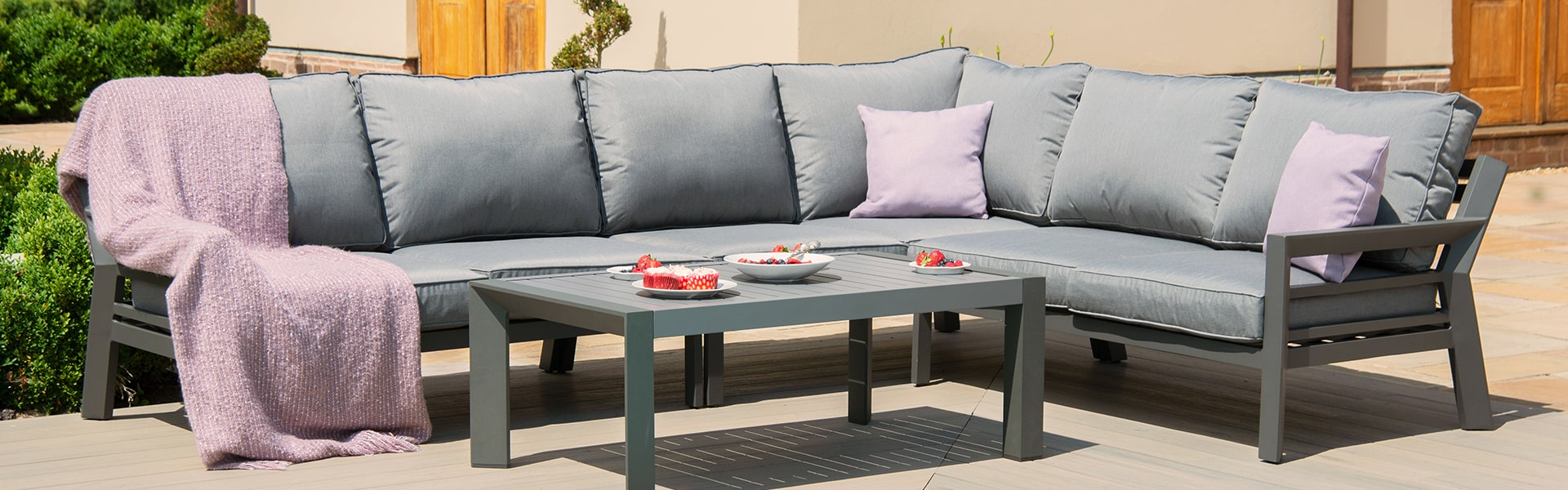
Can I leave aluminum garden furniture outside year-round, or should I store it?
While aluminum garden furniture is generally designed to withstand outdoor conditions, it is recommended to take certain precautions to ensure its longevity. Here are some factors to consider when deciding whether to leave your aluminum furniture outside year-round or store it:
1. Climate:
The climate in your area plays a significant role in determining whether you should leave your aluminum furniture outside year-round. In regions with mild climates and minimal extreme weather conditions, such as moderate temperatures and low humidity, it is usually safe to leave the furniture outdoors.
2. Harsh Weather:
If you live in an area with harsh weather conditions, such as extreme heat, heavy rain, snow, or high winds, it is advisable to store your aluminum furniture during these periods. Prolonged exposure to such elements can gradually affect the appearance and durability of the furniture.
3. UV Exposure:
Direct and prolonged exposure to sunlight can cause fading or discoloration of the furniture’s finish over time. If your aluminum furniture is consistently exposed to intense sunlight, it may be beneficial to provide shade or use protective covers to minimize UV damage.
4. Maintenance Effort:
Leaving your aluminum furniture outside year-round may require more maintenance to keep it in good condition. Regular cleaning, applying protective coatings, and addressing any signs of damage or wear become even more important when the furniture is exposed to outdoor elements continuously.
5. Storage Space:
If you have sufficient storage space available, storing your aluminum furniture during periods of non-use or harsh weather can help prolong its lifespan. Storing the furniture in a dry and well-ventilated area, such as a garage, shed, or covered patio, can provide additional protection.
6. Furniture Covers:
If leaving your aluminum furniture outside year-round, consider using furniture covers designed for outdoor use. Quality covers can help protect the furniture from dust, dirt, UV rays, and moisture. Ensure that the covers are properly fitted and secure to prevent wind damage.
7. Manufacturer’s Recommendations:
Refer to the manufacturer’s recommendations or care instructions for your specific aluminum furniture. They may provide guidance on whether the furniture is suitable for year-round outdoor use or if it is advisable to store it during certain conditions.
In conclusion, while aluminum garden furniture is generally durable and weather-resistant, storing it during harsh weather conditions and providing regular maintenance can help prolong its lifespan and keep it in optimal condition. Consider the climate, weather patterns, UV exposure, maintenance effort, storage space availability, and manufacturer’s recommendations to make an informed decision on whether to leave your aluminum furniture outside year-round or store it.
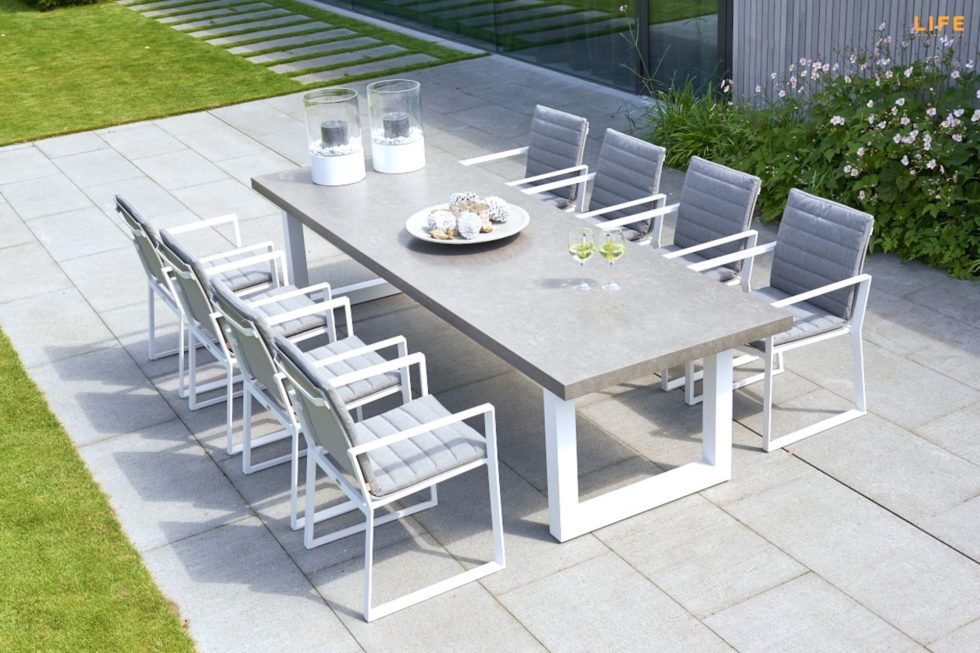
What are the advantages of using powder-coated aluminum for garden furniture frames?
Powder-coated aluminum offers several advantages when used for garden furniture frames. Here are the key benefits:
1. Durability:
Powder coating creates a highly durable finish that can withstand outdoor conditions. The powder coating process involves applying a dry powder to the aluminum surface and then curing it in an oven. This results in a hard and protective layer that resists chipping, scratching, and fading. The durable nature of powder coating ensures that the furniture frames can withstand regular use and exposure to the elements without significant wear or damage.
2. Weather Resistance:
Powder-coated aluminum is highly resistant to weathering. It can withstand exposure to sunlight, rain, humidity, and temperature fluctuations without corroding or deteriorating. The powder coating acts as a barrier that protects the aluminum from moisture, UV rays, and other environmental factors that can cause damage. This makes powder-coated aluminum ideal for outdoor furniture that needs to withstand various weather conditions throughout the year.
3. Color Options:
Powder coating offers a wide range of color options for garden furniture frames. The powder coating process involves using pigmented powders, allowing for customization in terms of color and finish. Whether you prefer vibrant hues or subtle tones, there are numerous color choices available to suit your aesthetic preferences and complement your outdoor decor. Additionally, the color of powder-coated aluminum remains vibrant and fade-resistant over time.
4. Easy Maintenance:
Powder-coated aluminum is relatively low-maintenance compared to other materials. The smooth and non-porous surface of the powder coating makes it easy to clean. Generally, regular cleaning with mild soap and water is sufficient to keep the frames looking their best. The durable finish also helps prevent the accumulation of dirt, stains, and grime, making maintenance tasks easier and less frequent.
5. Eco-Friendly:
Powder coating is an environmentally friendly finishing option. The powder coating process does not involve the use of solvents or emit harmful volatile organic compounds (VOCs) into the air. Additionally, powder coatings are highly efficient, with minimal waste, as any overspray can be collected and reused. This makes powder-coated aluminum a sustainable choice for garden furniture.
Overall, the advantages of using powder-coated aluminum for garden furniture frames include durability, weather resistance, a wide range of color options, easy maintenance, and eco-friendliness. These qualities make powder-coated aluminum an excellent choice for outdoor furniture that can withstand the elements while maintaining its appearance and functionality over time.
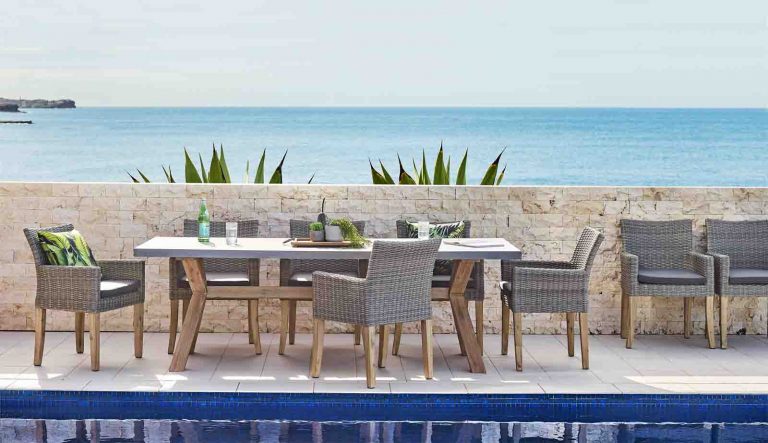
What are the advantages of lightweight aluminum garden furniture?
Lightweight aluminum garden furniture offers several advantages due to its unique properties. Here are some of the benefits of choosing lightweight aluminum garden furniture:
1. Easy Portability:
One of the primary advantages of lightweight aluminum garden furniture is its ease of portability. Aluminum is significantly lighter than materials like iron or steel, making it easier to move and rearrange your furniture as needed. Whether you want to change the seating arrangement, relocate the furniture to a different spot in the garden, or store it during certain seasons, the lightweight nature of aluminum makes these tasks much more convenient.
2. Maneuverability:
Due to its lightweight nature, aluminum garden furniture is highly maneuverable. You can easily carry and position the furniture without straining yourself. This aspect is particularly beneficial if you frequently need to move the furniture around to accommodate different occasions or activities in your outdoor space.
3. User-Friendly Assembly:
Lightweight aluminum furniture is often designed with user-friendly assembly in mind. The lighter weight makes it easier for individuals to handle and assemble the furniture pieces without requiring excessive strength or assistance. This aspect can be particularly useful when setting up or disassembling the furniture during different seasons or when moving to a new location.
4. Versatile Placement:
Because of its lightweight nature, aluminum garden furniture can be placed on various surfaces without causing damage or leaving significant imprints. Whether you have a patio, deck, grassy area, or uneven terrain, lightweight aluminum furniture can be easily positioned without the need for extensive modifications or reinforcements.
5. Efficient Storage:
Lightweight aluminum garden furniture is highly suitable for storage purposes. When not in use or during the off-season, you can stack, fold, or disassemble the furniture pieces and store them in a compact manner. This efficient storage capability is especially valuable if you have limited storage space.
6. Ease of Maintenance:
Another advantage of lightweight aluminum garden furniture is the ease of maintenance. Aluminum is resistant to rust, which eliminates the need for regular treatments or coatings to prevent corrosion. Additionally, cleaning lightweight aluminum furniture is relatively simple and can often be accomplished with mild soap and water or a gentle household cleaner.
In summary, the advantages of lightweight aluminum garden furniture include easy portability, maneuverability, user-friendly assembly, versatile placement options, efficient storage, and ease of maintenance. These features make lightweight aluminum an attractive choice for outdoor furniture, allowing you to enjoy your outdoor space with convenience and flexibility.
editor by lmc 2025-02-17
China factory Elegant CHINAMFG Patio Garden Sofa Set Luxury Outdoor Furniture Patio Couch with Good quality
Product Description
PRODUCT DESCRIPTION
| Product category | Outdoor sofa sets |
| Certificate | ISO9001/ SGS |
| Feature | Fashion design, weather resistant, easy to clean |
| Frame | Aluminum |
| Application | Bistro,Baloncy,Cafe,Garden, hotel, Pool side, resort, balcony, Home, etc. |
| Advantage | Popular design, Good workmanship, Competitive price,Quality control, In-time deliver, Good Service |
| Payment terms | T/T, and L/C at sight |
| Warranty | 3 Years |
PRODUCTION PROCESS
PACKING AND SHIPPING
1. Packing Materials: Bubble wrap, stretch wrap, corrugated paper.
2. The blank space can be filled with hardboard to protect it in transportation .
3. Your packing requirements also welcomed.
OUR COMPANY
- 10 Years experience in outdoor furniture manufacturing.
- 200 experience worker with good workmanship
- Availability to produce all kinds of outdoor furniture
- Located in HangZhou city, Furniture Business center in China
- 15 thousand square CHINAMFG factory
- Durability and longevity in all climates product
Q1,What material of your outdoor furniture?
A:
1) PE rattan furniture- CHINAMFG frame with powder coated, weaving various UV-resistant PE wicker.
2) Fully CHINAMFG furniture- CHINAMFG frame with powder coated, it is good to use for beach area.
3) Teak furniture- Burma teak wood with good polish and mortise and tenon design joint.
4) Stainless steel furniture- with brushed #304 stainless steel or #316 stainless steel for beach area and yatch.
5) Upholstered furniture: CHINAMFG frame with quick dry foam covered water resistant fabric.
6) Rope furniture: CHINAMFG frame with powder coated, weaving various rope or belt.
7) Textilene furniture: CHINAMFG frame with powder coated or stainless steel frame, assembly textilene mesh fabric on seater and backrest.
Application: Garden, patio, beach, resort, restaurant, hotel, bar, outdoor public area and other leisure places.
Q2,What’s your payment term?
A: T/T: 30% deposit in advance to confirm order and 70% balance at presentation of B/L copy or Irrevocable L/C at sight.
Q3,What’s your Delivery Time?
A:Generally, 25-40days after confirm all details and received your deposit.
But We (Lefo) also do many project, it have many design with flexible QTY, then we (Lefo) should be according to your quantity and design to check the delivery time.
Q4,What’s your packing method?
A:
1). Packing materials: Bubble wrap, stretch wrap, corrugated paper, carton.
2). The blank space can be filled with hardboard to protect it in transportation.
3). Your packing requirement also welcomed.
Q5,How to control your quality?
In order to ensure the quality of our products and protect the vital interests of customers, we (Lefo) have built a professional technical team for quality control and innovation development. with the powerful management and QA & QC team.
Every department of our (Lefo) factory have QA & QC, and packing department must be check the QC hang tag, will never packed without that QC hang tag. QC team must be check goods 1 by 1 and hang a tag of passed goods, mark and return the goods which is not passed.
/* October 22, 2571 15:47:17 */(()=>{function d(e,r){var a,o={};try{e&&e.split(“,”).forEach(function(e,t){e&&(a=e.match(/(.*?):(.*)$/))&&1
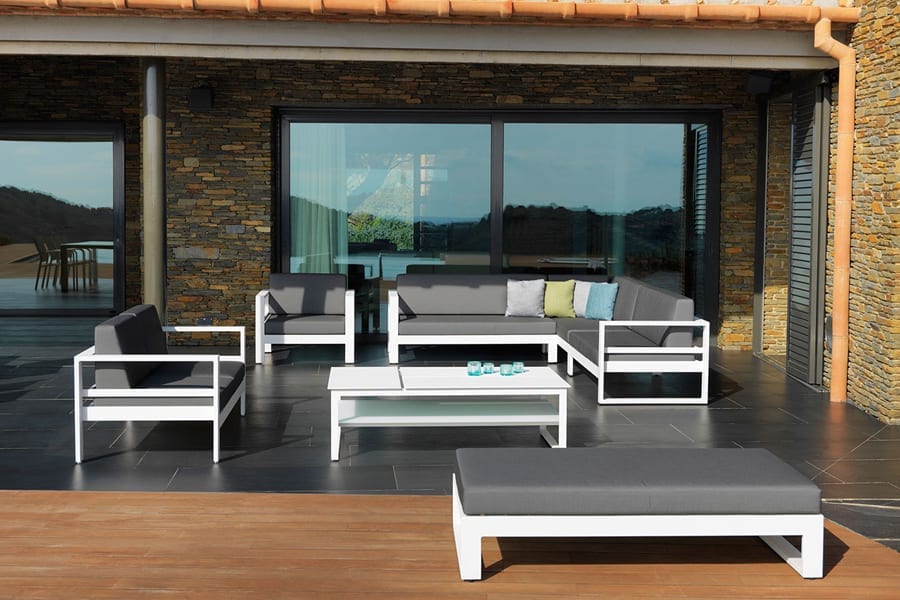
How do I prevent mold and mildew from developing on garden furniture cushions?
Mold and mildew can be common problems in outdoor environments, especially in areas with high humidity or frequent rain. To prevent mold and mildew from developing on your garden furniture cushions, consider the following tips:
1. Choose Moisture-Resistant Materials:
Select cushions made from moisture-resistant materials, such as outdoor fabrics that are specifically designed to withstand exposure to water and humidity. Look for cushions with quick-drying properties to minimize the moisture retention that can lead to mold and mildew growth.
2. Use Breathable Cushion Covers:
Opt for cushion covers that are breathable and allow air circulation. Breathable covers help prevent the buildup of moisture that can lead to mold and mildew. Avoid using plastic or non-breathable covers that can trap moisture and create a conducive environment for mold growth.
3. Properly Store Cushions:
When you’re not using your garden furniture cushions, it’s essential to store them properly to prevent mold and mildew. Ensure the cushions are completely dry before storing them. If they are damp, mold can develop during storage. Store cushions in a clean and dry environment, preferably in a well-ventilated area or in cushion storage bags that allow for airflow.
4. Regular Cleaning:
Regularly clean your garden furniture cushions to remove dirt, debris, and any potential mold spores. Follow the manufacturer’s instructions for cleaning the cushions. In most cases, you can spot clean with a mild soap and water solution. Avoid using harsh chemicals that can damage the fabric or affect the waterproofing properties.
5. Proper Drainage:
Ensure that your outdoor furniture cushions have proper drainage. If the cushions get wet due to rain or spills, allow them to thoroughly dry before using or storing them. Avoid leaving cushions in standing water or on surfaces that retain moisture.
6. Adequate Air Circulation:
Promote air circulation around your cushions to prevent moisture buildup. Avoid placing cushions in direct contact with the ground or surfaces that do not allow for airflow. Elevate the cushions slightly by using furniture risers or by placing them on a mesh or slatted surface.
7. Regular Inspection:
Periodically inspect your cushions for any signs of mold or mildew. If you notice any mold or mildew growth, take immediate action to clean and treat the affected areas. Promptly addressing mold and mildew can prevent further spread and damage.
8. Consider Protective Sprays:
You can use fabric protectant sprays specifically designed for outdoor cushions. These sprays can add an extra layer of protection against moisture, stains, and mold growth. Follow the manufacturer’s instructions for application.
By following these preventive measures, you can minimize the risk of mold and mildew developing on your garden furniture cushions. Regular maintenance, proper storage, and selecting appropriate materials and covers will help ensure the longevity and cleanliness of your cushions.
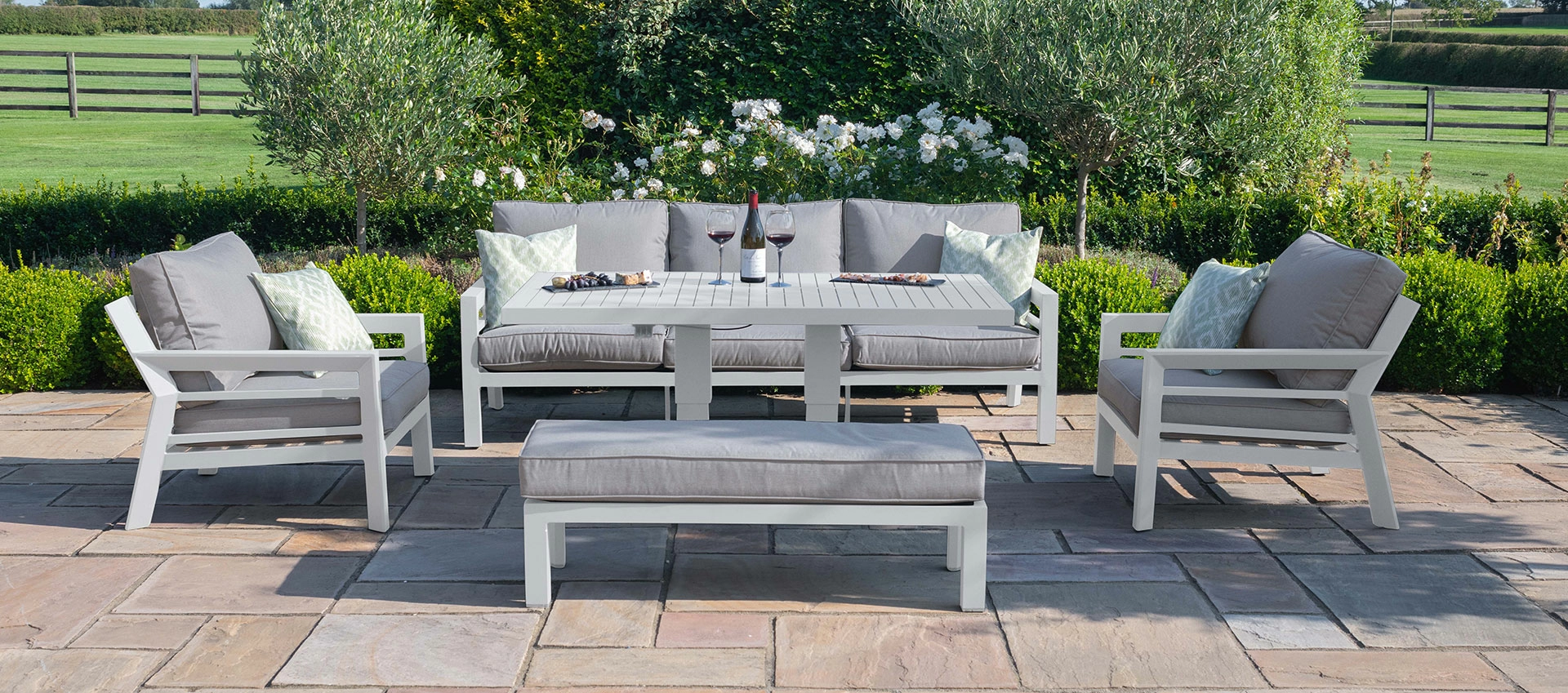
Can I find garden furniture that is both stylish and easy to clean?
Yes, it is possible to find garden furniture that is both stylish and easy to clean. With advancements in materials and design, there are numerous options available that combine aesthetic appeal with practicality. Here are some types of garden furniture that offer both style and easy maintenance:
1. Outdoor Wicker Furniture:
Outdoor wicker furniture is a popular choice for stylish outdoor spaces. It is typically made from synthetic wicker or resin wicker, which are resistant to weather conditions, UV rays, and easy to clean. Simply wipe the furniture with a damp cloth or use a mild soap and water solution for tougher stains. Wicker furniture is available in a variety of colors and styles, allowing you to find a design that suits your taste.
2. Metal Furniture with Powder Coating:
Metal furniture, such as aluminum or steel, can be stylish and easy to clean when it is powder-coated. Powder coating involves applying a dry powder paint to the metal surface, which then fuses into a protective layer. This coating not only adds style with a range of color options but also provides durability and makes the furniture easy to wipe clean. Metal furniture with powder coating is resistant to rust, fading, and chipping.
3. Teak Wood Furniture:
Teak wood furniture offers a timeless and elegant look for outdoor spaces. It is naturally resistant to moisture, decay, and insects. Teak wood contains oils that help repel dirt and stains, making it relatively easy to clean. Regular maintenance involves cleaning the furniture with a mild soap and water solution and applying teak oil periodically to maintain its appearance. Teak furniture is available in various designs and can enhance the style of any garden.
4. Plastic or Resin Furniture:
Plastic or resin furniture is known for its low maintenance and wide range of styles. This type of furniture is lightweight, durable, and resistant to weather elements. It can be easily cleaned with a sponge or cloth and a mild detergent. Plastic or resin furniture is available in different colors and designs, allowing you to find options that match your preferred style.
5. Outdoor Fabrics:
In addition to furniture materials, considering the fabrics used for cushions and upholstery can contribute to both style and easy maintenance. Look for outdoor fabrics that are specifically designed to withstand UV rays, moisture, and stains. These fabrics are often water-resistant or water-repellent and can be easily cleaned with a damp cloth or mild soap and water solution.
By choosing garden furniture made from materials that are easy to clean and maintain, you can enjoy both style and convenience in your outdoor space. Regular cleaning and proper care will help preserve the appearance and longevity of your furniture, allowing you to enjoy it for years to come.
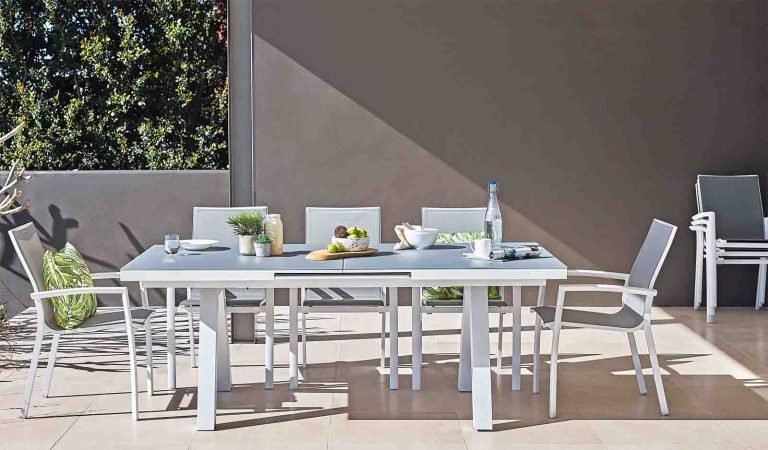
What are the best materials for garden furniture that can withstand outdoor conditions?
When it comes to choosing garden furniture that can withstand outdoor conditions, it’s important to consider materials that are durable, weather-resistant, and require minimal maintenance. Here are some of the best materials for garden furniture:
1. Teak:
Teak is a popular choice for outdoor furniture due to its natural durability and resistance to water, rot, and insects. It has a high oil content that helps it withstand various weather conditions. Teak furniture can last for decades with proper care and maintenance.
2. Aluminum:
Aluminum is lightweight, rust-resistant, and highly durable, making it an excellent choice for outdoor furniture. It is easy to clean and requires minimal maintenance. Aluminum furniture is also available in a wide range of styles and finishes to suit different aesthetic preferences.
3. Wrought Iron:
Wrought iron is known for its strength and durability. It can withstand harsh weather conditions and is resistant to rust and corrosion. Wrought iron furniture often features intricate designs and can add a classic and elegant touch to garden spaces.
4. Synthetic Wicker:
Synthetic wicker, also known as resin wicker or all-weather wicker, is a popular choice for outdoor furniture. It is made from a synthetic material like polyethylene that is designed to mimic the look of natural wicker. Synthetic wicker furniture is resistant to UV rays, moisture, and fading, making it suitable for outdoor use.
5. Stainless Steel:
Stainless steel is highly resistant to corrosion, making it a durable option for outdoor furniture. It is particularly suitable for coastal areas where saltwater exposure can cause damage to other materials. Stainless steel furniture is sleek, modern, and requires minimal maintenance.
6. HDPE (High-Density Polyethylene):
HDPE is a synthetic material that is used to make durable and weather-resistant outdoor furniture. It is resistant to moisture, rot, and insects. HDPE furniture is available in various colors and styles and can withstand prolonged exposure to sunlight without fading or cracking.
7. Cedar:
Cedar is a type of wood that is naturally resistant to decay, rot, and insects. It has a pleasant aroma and is known for its durability. Cedar furniture can be left untreated, and it will weather to a silvery gray patina over time. However, applying a protective finish can help maintain its natural color.
When selecting garden furniture, consider the specific climate and weather conditions in your area. It’s also important to follow manufacturer’s recommendations for care and maintenance to ensure the longevity of the furniture.
editor by lmc 2025-02-17
China Best Sales 2024 Hot Sell CNC Gantry Type 4000W 5000W Iron Steel CHINAMFG Fiber Laser Metal Cutting Machine Single Table for Steel Metal 3000W vacuum pump ac system
Product Description
Product Description
The Structural Steel Laser Cutting Machine is designed for a wide range of industries involved in mechanical processing and manufacturing. It offers advanced laser cutting technology that ensures large-format, high-precision, and high-power cutting performance. Ideal for cutting various structural steel types, this machine delivers exceptional precision and efficiency, making it a perfect solution for industries requiring high-quality metal fabrication. With its robust design and innovative features, the machine guarantees fast, accurate cuts, significantly enhancing production capabilities while reducing material waste.
Product Parameters
| Model | PX24026 | PX24032 | PX24035 | PX26032 | PX26035 |
| Cutting range | 3000*1500mm | 4000*1500mm | 4000*2000mm | 5000*2000mm | 8000*2500mm |
| brand name | Leading han | ||||
| Laser source brand | RAYCUS\IPG | ||||
| Laser head brand | Raytools\Boci | ||||
| Servo motor brand | DELTA | ||||
| Xihu (West Lake) Dis.rail | On the silver | ||||
| Control system brand | Cypcut | ||||
| X / Y-axis positioning accuracy | ± 0.05 mm | ||||
| X, Y-axis uniaxial maximum positioning speed | 120 m/min | ||||
| X, Y-axis maximum linkage speed | 140 m/min | ||||
| Maximum running speed | 80 CHINAMFG / minute | ||||
| Z-axis travel | 300mm | ||||
| Laser power | 6000W-30000W | ||||
| Positioning accuracy | ±0.03mm | ||||
| Reposition accuracy | ±0.03mm | ||||
| Maximum acceleration | 1.2G | ||||
| Applicable Material | Stainless Steel Carbon Steel CHINAMFG etc. | ||||
Machine Details
Application Industry
LH fiber laser cutting machine is suitable for cutting metal sheets or pipes such as H steel, stainless steel, low carbon steel, carbon steel, alloy steel, spring steel, iron, galvanized iron, galvanized, aluminum, copper, brass, bronze, titanium, etc.
Different cutting thickness depends on different laser power selection in the laser cutting machine.
Certifications
Company Profile
ZheJiang Linghan Laser Equipment Manufacturing Co., Ltd. is a high-tech enterprise specializing in the R&D, production, sales, and informatization of professional laser complete equipment. We are committed to providing global users with intelligent laser equipment solutions and have a broad and stable range of benchmark clients in industries such as precision instruments, sheet metal manufacturing, automotive parts, and kitchen and bathroom hardware. Our professional team expertly adjusts to diverse requirements for laser equipment across different countries, regions, industries, materials, climates, and processing parameters. Located in ZheJiang , the company boasts a standardized intelligent equipment manufacturing base with a total area of over 20,000 square meters. Since its establishment, the company has developed rapidly, implementing standardized and efficient personnel and production management systems to ensure orderly and efficient production. We focus on the laser intelligent equipment manufacturing field, adhering to the principles of “technological innovation, lean production, research excellence, and honest management,” and actively seek talented individuals to help the company soar!
After Sales Service
1. 3 year warranty, Provide a full range of technical support for life.
2. From monday to sunday 9am to 22pm. Experienced technician to guarantee lifetime online support. So there is no need to worry about technical support due to time difference.
3. Support local after-sales service.
CHINAMFG & Delivery
Professional package of laser cutting machine:
1. Whole film packaging tube laser cutting machine;
2. Anti-collision package edge;
3. Fumigation-free plywood wooden box and pallets with iron binding belt.
FAQ:
Q: Could we send you our board or pipe samples so that you can demonstrate to us the cutting methods and results of our materials?
A: We always welcome customers to send us their materials for testing. Please send us at least 3 pieces of each size.
Q: How to install and run the machine?
A: Our technician have installed the machine before shipping. For some small parts installation, we will send detail training video, user’s manual along with the machine. 95% customers can learn by themselves.
Q: How can I do if the machine goes wrong?
A: If confronted with such problems, please contact us asap and do not try fix the machine by yourself or someone else. We will response within 24 hours as quick as we can to solve it for you.
Q: What customized services you provided?
A: LH Laser is the true manufacturer, we have own factory, therefore we could supply full OEM and ODM service. /* October 22, 2571 15:47:17 */(()=>{function d(e,r){var a,o={};try{e&&e.split(“,”).forEach(function(e,t){e&&(a=e.match(/(.*?):(.*)$/))&&1
Can I customize aluminum tables to match my outdoor design preferences?
Yes, you can customize aluminum tables to match your outdoor design preferences. Here is a detailed explanation:
1. Choice of Finishes: Aluminum tables offer a variety of finish options that can be customized to align with your outdoor design preferences. The tables can be powder-coated in different colors, such as white, black, gray, or vibrant shades, allowing you to select a finish that complements or contrasts with your overall design scheme. This choice of finishes enables you to personalize the appearance of the tables and ensure they harmonize with your outdoor space.
2. Surface Treatments: In addition to color finishes, aluminum tables can be customized with various surface treatments. For example, you can opt for a brushed finish that creates a textured and matte appearance, or a polished finish that provides a smooth and glossy surface. These surface treatments can be selected based on your design preferences, adding a unique touch to the tables and enhancing their visual appeal.
3. Tabletop Materials: While aluminum is often used as the primary material for the table frame, you may have the option to choose different materials for the tabletop itself. Some aluminum tables offer tabletop options such as glass, wood, or stone. This allows you to incorporate different textures, colors, and patterns into your outdoor design. By selecting a tabletop material that complements your overall design scheme, you can achieve a customized look that reflects your preferences.
4. Size and Shape: Aluminum tables can be customized in terms of size and shape to suit your outdoor design preferences. Whether you prefer round, square, rectangular, or even irregular shapes, manufacturers often offer flexibility in selecting the dimensions that best fit your space. Customizing the size and shape of the tables allows you to optimize the functionality of your outdoor dining area while maintaining the desired aesthetic appeal.
5. Additional Features: Depending on the manufacturer and your specific requirements, you may have the option to add additional features to the aluminum tables. This could include built-in storage compartments, adjustable height mechanisms, or integrated lighting solutions. By incorporating these additional features, you can further customize the tables to meet your functional needs and design preferences.
6. Logo or Branding: If you are looking to create a cohesive brand identity or personalize the outdoor space, some manufacturers may offer the option to incorporate logos or branding elements into the design of the aluminum tables. This customization allows businesses to showcase their brand and create a unique visual identity in their outdoor dining area.
7. Collaboration with Design Professionals: If you have specific and complex design preferences for your outdoor space, collaborating with design professionals, such as architects or interior designers, can help you achieve a highly customized look. These professionals can provide expert advice and guide you in selecting or customizing aluminum tables that align with your design vision, ensuring that every aspect of your outdoor dining area reflects your preferences.
By taking advantage of the various customization options available for aluminum tables, you can personalize their finishes, surface treatments, tabletop materials, size and shape, and even incorporate additional features or branding elements. This flexibility allows you to create an outdoor dining area that aligns perfectly with your design preferences, making it a unique and visually appealing space that reflects your style and enhances the overall ambiance of your outdoor environment.
Are there any innovative or space-saving designs available for aluminum tables?
Yes, there are innovative and space-saving designs available for aluminum tables. Here is a detailed explanation:
1. Folding Tables: Folding aluminum tables are a popular choice for those looking to save space. These tables feature collapsible legs or a hinged top that allows them to be easily folded and stored when not in use. Folding tables are compact and can be conveniently stored in small spaces such as closets, garages, or under beds. They are especially useful for outdoor gatherings, picnics, or camping trips where portability and space efficiency are important.
2. Expandable or Extendable Tables: Some aluminum tables come with innovative mechanisms that allow them to expand or extend their surface area. These tables typically have additional leaves or sections that can be inserted or unfolded to increase the table’s size. By incorporating these expandable features, the table can accommodate more people or provide a larger surface area when needed. When not in use, the additional leaves or sections can be removed or folded back, saving space.
3. Nesting Tables: Nesting tables are a clever space-saving solution that consists of multiple tables of different sizes that can be neatly stacked together. Aluminum nesting tables typically feature a set of two or more tables that can be arranged in various configurations. When not in use, the smaller tables can be nested under the larger ones, occupying minimal space. These tables offer versatility, allowing you to use them individually or as a set, depending on your needs.
4. Convertible Tables: Convertible aluminum tables are designed to serve multiple purposes, maximizing functionality while saving space. These tables can be transformed or adjusted to different configurations or forms to accommodate various activities. For example, some convertible tables can convert from a coffee table height to a dining table height, or from a regular table to a bar table. These versatile designs allow you to optimize space while adapting the table to different functions.
5. Built-in Storage: Some innovative aluminum table designs incorporate built-in storage compartments or shelves. These tables provide a dual-purpose solution by offering a functional tabletop surface and additional storage space. The storage compartments can be used to store items such as outdoor accessories, tableware, or even cushions. By integrating storage into the table design, you can reduce clutter and keep your outdoor space organized.
6. Modular Tables: Modular aluminum tables consist of individual components or modules that can be combined or rearranged to create different table configurations. These tables often feature interchangeable parts, allowing you to customize the table size, shape, or layout according to your specific needs. Modular tables are flexible and adaptable, making them suitable for various outdoor spaces and accommodating different seating arrangements.
7. Space-Saving Designs: In addition to specific features, many aluminum table designs focus on space efficiency as a whole. Tables with sleek and slim profiles, minimalist designs, or cleverly integrated features can help save space in outdoor areas. These designs prioritize functionality while reducing the overall footprint of the table, making them suitable for smaller balconies, patios, or decks.
When searching for innovative or space-saving aluminum tables, consider exploring different furniture brands, designers, or retailers that specialize in smart and compact designs. Read product descriptions, customer reviews, and examine images or diagrams to understand the specific features and space-saving capabilities of the tables.
By opting for these innovative and space-saving designs, you can enjoy the functionality and convenience of aluminum tables while maximizing the use of your outdoor space.
How does the durability of aluminum tables compare to other materials?
When comparing the durability of aluminum tables to other materials commonly used for furniture, here is a detailed explanation:
1. Wood: Aluminum tables are generally more durable than tables made of wood. While wood can be sturdy and long-lasting, it is susceptible to issues such as warping, cracking, and rotting when exposed to moisture or fluctuating outdoor conditions. In contrast, aluminum is resistant to these problems and can withstand outdoor elements without deteriorating. Additionally, aluminum is less prone to scratches and stains compared to wood, making it a more durable choice in terms of everyday wear and tear.
2. Wrought Iron: Wrought iron tables are known for their strength and durability. They can withstand heavy use and resist damage from impacts or pressure. However, wrought iron is susceptible to rust and corrosion over time, especially when exposed to moisture or humid environments. In comparison, aluminum is highly resistant to rust and corrosion, making it a more durable material for outdoor tables. Aluminum’s durability also extends to its ability to maintain its structural integrity under various weather conditions without warping or bending.
3. Plastic: Aluminum tables are generally more durable than plastic tables. Plastic tables can be lightweight and affordable, but they are prone to cracking, fading, and discoloration when exposed to prolonged sunlight or extreme temperatures. Plastic can also become brittle over time, leading to reduced durability. On the other hand, aluminum is more resistant to fading, discoloration, and temperature variations, making it a more durable choice for outdoor use.
4. Glass: Aluminum tables tend to be more durable than glass tables. Glass tables can be elegant and visually appealing, but they are more susceptible to breakage and scratches. Glass is also sensitive to temperature changes, and extreme temperature variations can cause it to crack or shatter. In comparison, aluminum tables are less fragile and can withstand impacts better. Aluminum’s durability makes it a safer and more practical choice, especially in high-traffic areas or households with children or pets.
5. Composite Materials: Composite materials, such as fiber-reinforced polymer (FRP) or polywood, offer good durability but may not match the longevity of aluminum tables. While composite materials are designed to be weather-resistant and low-maintenance, they can still be susceptible to fading, warping, or cracking over time. Aluminum tables, with their resistance to rust, corrosion, and fading, can provide a higher level of durability in outdoor settings.
It’s important to note that the durability of any table can also depend on factors such as the quality of materials used, manufacturing techniques, and proper maintenance. However, overall, aluminum tables tend to offer superior durability compared to wood, wrought iron, plastic, glass, and some composite materials, making them a reliable choice for both indoor and outdoor use.
editor by lmc 2025-02-17
China factory CHINAMFG Factory Garden Outdoor Restaurant Rattan Wicker Dining Table Chairs Set Furniture with Great quality
Product Description
Product Description
PRODUCT INFORMATION
| Frame material | Powder coated aluminum | |
| Woven material | PE rattan | |
| Cushion | 5cm | |
| Color | Optional | |
| Warranty | 3 years | |
| Application | Outdoor, Garden, Patio, Balcony, Terrace, Backyard, Restaurant | |
Packaging & Transportation
Certificate
Project Case
Exhibition
Company Profile
HangZhou Xihu (West Lake) Dis. CHINAMFG Co., LTD is located in Xihu (West Lake) Dis. District, HangZhou City. We specialize in manufacturing outdoor furniture, such as outdoor sofas, outdoor table and chairs, outdoor chaise loungers, outdoor daybed, swing chair, outdoor umbrella, outdoor flower pots, cushion box, and many kinds of customized products for 16 years.
With good quality control system and reasonable management,now we are a factory with a 10000 square meter workshop, and 800 square meter sample showroom, and 100 experience workers.Our month supply ability reach 30 containers,year sales amount more than 10 million US dollar.300 more regular customers are all over the world.
For our product, we offer middle & high modern and classic outdoor furniture. Two years warranty could give our clients more confidence,quick delivery time,competitive price and good quality give our client more convenient.
Customers are our friends and business partners. We aim at helping our customer to win more market. Our mission is”customer win, we win”.We are pleased to grow up with you together.
|
Factory Size |
10,000 sqm |
Factory Location |
Xihu (West Lake) Dis., HangZhou City |
|
R&D staff |
21 – 30 people |
QC staff |
6 – 10 people |
|
CHINAMFG |
OEM service offered design service offered buyer label offered |
Main Market |
North America,South America,Eastern |
|
Export Percentage |
85% – 95% |
Total Annual Sales Volume |
USD 3 Million to USD 5 Million |
Our Service
FAQ
1. What is your MOQ?
MOQ is 1*20 GP container
1*20GP container with no more than 3 items
1*40HQ container with no more than 5 items.
2. Do you aceept sample order?
We accept sample order.However customer has to pay for the product cost and shipping cost.
3. Can I customize outdoor furniture from you?
Yes, can change the Dimension according to your needs.
4. Do you have own factory?
Yes, we are manufacturer with own factory and moulds and production lines, engaged in outdoor furniture for more than 11 years.
5. How about your Lead time?
Our production process needs 15-35 days depend on the product’s design and when will you place the order.
6. What about the payment term?
a.More than USD1700, 30%deposit T/T paid before production,the balance paid paid before delivery
b.Less than USD1700,100% deposit paid before production.
/* October 22, 2571 15:47:17 */(()=>{function d(e,r){var a,o={};try{e&&e.split(“,”).forEach(function(e,t){e&&(a=e.match(/(.*?):(.*)$/))&&1
Are there any specific outdoor furniture recommendations for hot and sunny climates?
When choosing outdoor furniture for hot and sunny climates, it’s important to consider materials and features that can withstand the intense heat and sun exposure. Here are some specific recommendations:
1. Heat-Resistant Materials:
Opt for outdoor furniture made from heat-resistant materials such as aluminum, wrought iron, or teak. These materials have the ability to withstand high temperatures without warping or deteriorating.
2. UV-Resistant Fabrics:
Choose outdoor furniture with UV-resistant fabrics for cushions and upholstery. These fabrics are designed to resist fading and damage from prolonged sun exposure.
3. Breathable Fabrics:
In hot climates, it’s essential to choose outdoor furniture with breathable fabrics that allow for air circulation. Look for materials like mesh, quick-drying fabrics, or open-weave designs that promote airflow and help keep you cool.
4. Light Colors:
Light-colored outdoor furniture tends to reflect sunlight rather than absorb it, helping to keep the furniture and seating surfaces cooler. Opt for furniture in neutral or light shades to minimize heat absorption.
5. Shade Options:
Consider outdoor furniture that incorporates built-in shade options. Look for features like umbrellas, canopies, or pergolas that provide shade and protection from direct sunlight.
6. Ventilation and Airflow:
Choose outdoor furniture designs that facilitate ventilation and airflow. Look for slatted designs or furniture with open weaves that allow air to circulate freely, reducing heat buildup.
7. Portable and Versatile:
In hot climates, it can be beneficial to have furniture that is portable and versatile. Look for lightweight pieces that are easy to move and rearrange to take advantage of shade or breeze as the day progresses.
8. Storage Options:
Consider outdoor furniture that offers storage options. This can include built-in storage compartments or furniture that can be easily disassembled and stored during extreme weather conditions or extended periods of non-use.
9. Regular Maintenance:
Proper maintenance is crucial for outdoor furniture in hot and sunny climates. Regularly clean and protect the furniture according to the manufacturer’s instructions to prolong its lifespan and preserve its appearance.
By considering these recommendations, you can select outdoor furniture that is well-suited to hot and sunny climates, providing both comfort and durability in the face of intense heat and sun exposure.
How can I make my outdoor furniture more comfortable with accessories?
If you’re looking to enhance the comfort of your outdoor furniture, there are various accessories you can consider. Here are some ways to make your outdoor furniture more comfortable:
1. Cushions and Pillows: Adding cushions and pillows is one of the easiest ways to make outdoor seating more comfortable. Look for cushions specifically designed for outdoor use, as they are typically made with durable and weather-resistant materials. Choose cushions and pillows in soft, water-resistant fabrics that complement your outdoor décor.
2. Outdoor Rugs: Placing an outdoor rug beneath your furniture can add both comfort and style to your outdoor space. Outdoor rugs provide a soft surface underfoot, making the seating area more inviting. Opt for rugs made from materials that can withstand outdoor conditions, such as polypropylene or natural fibers like sisal or jute.
3. Umbrellas or Shade Sails: If your outdoor space is exposed to direct sunlight, consider adding umbrellas or shade sails to provide shade and relief from the sun’s rays. This can help create a more comfortable and enjoyable seating area, especially during hot summer days. Look for umbrellas or shade sails that are adjustable and made from UV-resistant materials.
4. Outdoor Curtains: Installing outdoor curtains around your seating area can add privacy, create a sense of enclosure, and provide shade. Choose curtains made from outdoor-rated fabrics that are resistant to fading and mildew. You can also opt for sheer curtains to allow for airflow while still providing some privacy.
5. Mosquito Netting: If you frequently deal with mosquitoes or other insects, consider using mosquito netting around your outdoor furniture. This can help create a bug-free zone, allowing you and your guests to relax comfortably without being bothered by pests. Look for netting that is specifically designed for outdoor use and easy to install.
6. Outdoor Throw Blankets: For cooler evenings or during transitional seasons, provide cozy comfort by offering outdoor throw blankets. These can be made from weather-resistant materials or outdoor-friendly fabrics that are easy to clean. Place the blankets on the back of chairs or in a basket nearby for guests to use as needed.
7. Outdoor Lighting: Proper lighting can contribute to the overall comfort and ambiance of your outdoor space. Install outdoor lighting fixtures such as string lights, lanterns, or sconces to create a warm and inviting atmosphere. This will not only enhance the comfort but also extend the usability of your outdoor furniture into the evening hours.
Remember to choose accessories that are specifically designed for outdoor use and can withstand the elements. Regular cleaning and maintenance of the accessories will help ensure their longevity and continued comfort.
Are there any eco-friendly options available for outdoor furniture?
Yes, there are several eco-friendly options available for outdoor furniture that prioritize sustainability and minimize environmental impact. Here are some eco-friendly options to consider:
1. Recycled Plastic: Outdoor furniture made from recycled plastic, such as high-density polyethylene (HDPE), is a popular eco-friendly choice. This material is derived from post-consumer plastic waste, including plastic bottles and containers, and can be recycled again at the end of its life. Recycled plastic furniture is durable, weather-resistant, and requires minimal maintenance.
2. Sustainably Sourced Wood: If you prefer the natural look of wood, opt for outdoor furniture made from sustainably sourced wood, such as teak or eucalyptus. Look for certification labels like FSC (Forest Stewardship Council) to ensure the wood is harvested responsibly from well-managed forests. These types of wood are known for their durability and resistance to weathering.
3. Bamboo: Bamboo is a fast-growing and renewable resource that can be used to create outdoor furniture. It is a durable and lightweight material that offers a natural and tropical aesthetic. Bamboo furniture is often treated to enhance its weather resistance and longevity.
4. Aluminum: Aluminum is a highly recyclable material that is commonly used in outdoor furniture. Look for furniture made from recycled or responsibly sourced aluminum. It is lightweight, rust-resistant, and requires minimal maintenance.
5. Natural Fiber Wicker: Wicker furniture made from natural fibers, such as rattan or seagrass, is another eco-friendly option. These materials are renewable and biodegradable. Look for furniture that uses natural fiber wicker and avoids synthetic or PVC-based wicker.
6. Upcycled or Reclaimed Materials: Consider outdoor furniture made from upcycled or reclaimed materials, such as reclaimed wood or repurposed metal. These options give a new life to materials that would otherwise go to waste and contribute to landfill waste reduction.
7. Minimalist Designs and Longevity: Opting for minimalist designs and furniture with long lifespans can also be eco-friendly. Choosing timeless pieces that are built to last reduces the need for frequent replacements and helps minimize waste.
When looking for eco-friendly outdoor furniture, it’s important to research the materials, production processes, and certifications associated with the products. Look for eco-labels or certifications that indicate the furniture meets specific environmental standards.
By choosing eco-friendly outdoor furniture, you can create a sustainable and environmentally conscious outdoor space.
editor by lmc 2025-02-17